
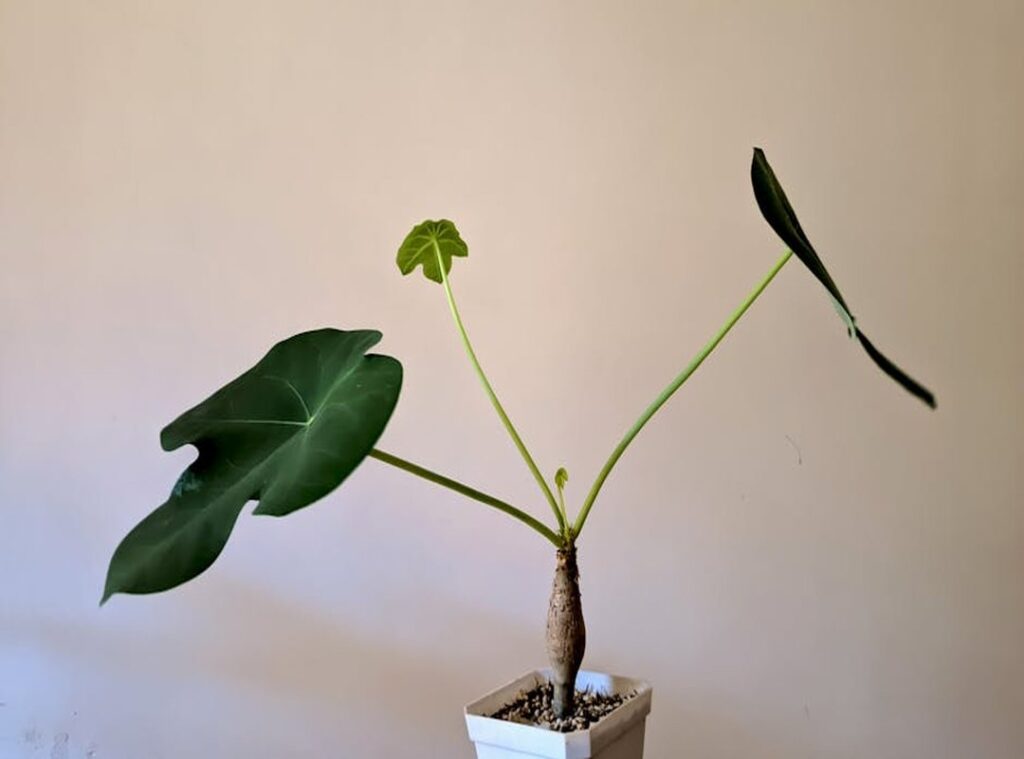
The ithana plant is something you need to know about. It’s not just another leafy green in the garden. This plant has unique characteristics that set it apart.
Why should you care? Well, many people miss out on its potential benefits and uses. That’s a shame, because it can make a real difference in your life.
I’ve done my homework. This article is based on extensive research and expert insights. You can trust what you read here.
You’ll get detailed information on the ithana plant—its properties, uses, and how to incorporate it into your daily life. Let’s dive in.
Understanding the Ithana Botanical Specimen
What is the Ithana plant? It’s a unique and fascinating species, scientifically known as Ithana botanica. You might also hear it called the “Moonlit Vine” or “Silver Star.”
Origin and Habitat
The Ithana plant is native to the dense, misty forests of Southeast Asia. It thrives in humid, shaded environments, often found creeping along the forest floor or climbing up tree trunks.
It loves the cool, damp air and can be quite picky about its conditions. If you’re thinking of growing one, make sure you mimic its natural habitat as closely as possible.
Physical Characteristics
The Ithana plant has broad, heart-shaped leaves that are a deep, glossy green. These leaves are not just pretty; they play a crucial role in the plant’s survival by capturing and storing water.
Its flowers are small and star-shaped, with a silvery sheen that almost glows in the moonlight. This feature is what earned it the nickname “Moonlit Vine.”
One distinctive feature is the way its vines twist and curl, creating intricate patterns as they grow. This makes it a favorite for gardeners who love a bit of natural artistry.
If you’re into rare and exotic plants, the ithana plant is definitely worth a closer look.
Scientific Properties and Benefits
Let’s dive into the Ithana plant. It’s got some unique compounds that set it apart.
First up, chemical composition. The Ithana plant is packed with antioxidants like flavonoids and polyphenols. These compounds help reduce inflammation and fight off free radicals in your body.
Now, let’s talk about its medicinal uses. Traditionally, the Ithana plant has been used to treat digestive issues and boost the immune system. Modern research supports these claims, showing that it can also help with stress and anxiety.
Anecdotal evidence from people who use it regularly backs this up. They report feeling more relaxed and having fewer stomach problems.
Nutritional value, and you bet. The Ithana plant is rich in vitamins and minerals, including vitamin C, iron, and calcium.
This makes it a superfood, providing a wide range of essential nutrients in one go.
So, why is it considered a superfood, and simple. It offers a broad spectrum of health benefits, from boosting your immune system to improving your overall well-being.
In short, the Ithana plant is a powerhouse of health benefits. Whether you’re looking to improve your diet or find natural remedies, it’s worth considering.
Cultivation and Care
Let’s talk about the Ithana plant. It’s like a diva—needs the right spotlight, temperature, and stage to really shine.
First up, light, and this plant loves bright, indirect sunlight. Think of it as needing a cozy, well-lit corner, not the harsh glare of a spotlight.
Temperature is key too, and keep it between 65-75°F (18-24°C). Imagine it’s like Goldilocks’ porridge—neither too hot nor too cold, but just right.
Soil, and well, it’s picky. Use a well-draining potting mix.
Picture a sponge that holds water but doesn’t stay soggy. That’s what you want for your Ithana plant.
Watering can be tricky. Water when the top inch of soil feels dry. Overwatering is like drowning your plant, so be mindful.
Fertilizing is like giving your plant a multivitamin. Use a balanced, water-soluble fertilizer every month during the growing season. But don’t overdo it—too much can be worse than too little.
Pests can be a real headache. Keep an eye out for common culprits like spider mites and aphids. If you spot them, treat with insecticidal soap or neem oil.
Regular checks are like a health checkup—better to catch issues early.
Propagation is pretty straightforward, and you can use cuttings or seeds. Cuttings are like clones—take a healthy stem, root it in water, then transfer to soil.
Seeds are more like starting from scratch, but both methods work well.
Creating the right environment is crucial. how to create a comfortable living space for your pet applies to plants too. Just swap out the pet bed for a well-chosen pot and the right conditions.
Incorporating Ithana into Daily Life

Let’s talk about the Ithana plant and how you can make it a part of your everyday routine.
- Culinary Uses:
- Add fresh Ithana leaves to your salads for a unique, slightly peppery flavor.
-
Blend it into smoothies for a nutrient boost. It goes well with green smoothies, adding a refreshing taste.
-
Wellness Applications:
- Brew Ithana tea by steeping the leaves in hot water. It’s a great way to relax and unwind.
-
Use Ithana tinctures or essential oils for aromatherapy. A few drops in a diffuser can help create a calming atmosphere.
-
DIY Projects:
- Make a natural face mask by mixing Ithana powder with honey and yogurt. It’s gentle on the skin and provides a soothing effect.
- Create a homemade salve by infusing Ithana in coconut oil. This can be used for minor skin irritations and as a moisturizer.
Incorporating the Ithana plant into your daily life is easier than you might think. Start with small, simple steps and see how it enhances your routine.
Conservation and Ethical Sourcing
The Ithana plant is currently listed as endangered. That’s a big deal because losing it could mean losing a key part of our ecosystem.
Why does it matter? Think about the scene in Avatar where the Na’vi connect with their environment. The Ithana plant plays a similar role in its habitat, supporting various species and maintaining balance.
When it comes to sourcing the Ithana plant, ethics are crucial. Always look for products that are certified by recognized organizations like Fair Trade or Rainforest Alliance.
Support local communities. They often have the best practices for sustainable harvesting. It’s like buying from a small, local farmer at the market instead of a big chain store.
Pro tip: Ask questions. If a company can’t tell you where and how they source their Ithana plant, it’s a red flag. Transparency is key.
By choosing ethically sourced Ithana, you’re not just getting a quality product; you’re also making a positive impact on the planet.
Embracing the Ithana Botanical Specimen
The ithana plant is known for its unique properties, including its ability to support immune health and provide antioxidants. It thrives in diverse climates, making it accessible to many. The plant’s leaves and roots are commonly used in traditional medicine.
Incorporating the ithana into your daily routine can be as simple as adding it to your tea or using it in a soothing bath. Its benefits extend to promoting relaxation and enhancing skin health. Consider integrating the ithana plant into your diet or wellness practices.
Explore the potential of this remarkable botanical specimen to improve your overall well-being.