
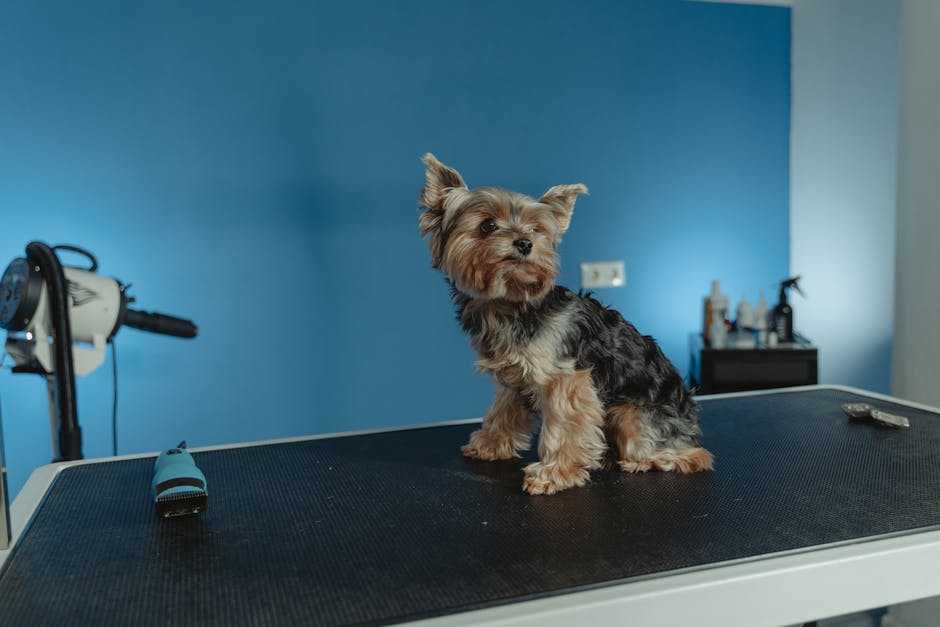
Why the Right Tools Matter
Healthier pets start with regular grooming and that means having the right tools on hand. Clean fur, trimmed nails, and fresh ears aren’t just about looks; they’re directly tied to your pet’s physical health. Matted fur traps bacteria. Overgrown nails affect posture. Using the wrong brush or clippers? That leads to irritation or worse, injury.
But it’s not just about your dog or cat. Good grooming gear saves owners a lot of trouble too. When tools actually work, the whole process becomes less of a battle. No wrestling matches, no mess, no repeat trips to the groomer because your clipper didn’t cut it (literally).
Plus, top notch tools save time. A deshedding rake that gets the job done in five minutes, not thirty. A shampoo that rinses clean the first time. Every detail from motor noise to handle grip can mean the difference between a drawn out fight and a five minute win.
So yes, better grooming gear matters. It keeps pets healthy, lowers stress for both sides, and buys back your time.
Best Brush for Shedding
If you’ve got a double coated dog, you know the fur situation is relentless. Our top pick for tackling shed overload: the undercoat rake. This isn’t your average slicker brush. It’s built with long, rounded teeth that reach through the topcoat to pull out dead, loose fur from the undercoat exactly where most of the shedding chaos starts.
We tested it on a range of high shedding breeds think Huskies, German Shepherds, and Golden Retrievers. The results were impressive: after just one session, we saw a solid drop in stray hair around the house. The pros? It dramatically reduces shedding and prevents painful matting if you’re using it regularly. The cons? It can tug a bit if the fur’s tangled, and it’s not ideal for single coated dogs.
Pro tip: Mist your dog’s coat with a light detangling spray before using the rake. It helps the tool glide through easier and cuts down on pulling. And as always, go slow comfort beats speed when it comes to grooming.
This tool’s a must if you’re serious about keeping fur under control and your dog’s coat healthy.
Top Nail Grinder
Traditional clippers can be a risky bet easy to overcut, hard to control, and downright stressful for many pets. Nail grinders offer a safer, smoother alternative that lowers the chance of hitting the quick. If your pet squirms a lot or has darker nails, a grinder gives you more precision and peace of mind.
When picking a grinder, don’t value power over comfort. Look for models with a quiet motor nobody wants a tool that sounds like a chainsaw near their dog’s paw. Variable speed settings are also key. They let you adapt to the nail thickness and your pet’s tolerance.
Our top pick: the Dremel 7760 PGK. It checks all the right boxes low noise, USB rechargeable, multiple speed options, and it includes a protective guard to help control dust and protect the nail.
In testing, it was comfortable to hold during longer sessions and didn’t overheat. Bonus: even anxious dogs seemed less jittery around it than with standard clippers. For most pet owners, it’s a win across the board.
Must Have Slicker Brush
If you have a pet with curly, long, or fine fur, the slicker brush is a no brainer. It’s designed to tackle mats, tangles, and loose debris without pulling too hard. Fine, short wires packed tightly together glide through coats and grab what shouldn’t be there like shedding hair or minor knots. Unlike basic brushes, slickers dig a little deeper, making them ideal for poodles, doodles, spaniels, and any breed where fluff reigns.
To avoid skin irritation, don’t push too hard. Use short, gentle strokes, especially near sensitive spots like behind the ears or under the legs. Brush in the direction of hair growth don’t go against the grain. And always stop if your pet starts to squirm or show signs of discomfort. For extra safety, look for padded tips on the wires.
Bottom line: a quality slicker can make your grooming game smoother and your pet more comfortable. Just don’t go at it like you’re scrubbing grout out of tile. Light, steady, and regular wins.
Best Dog Shampoo
Shampoo isn’t one size fits all and the wrong kind can do more harm than good. We tested over a dozen formulas across different breeds, coat types, and skin sensitivities. The goal: find products that clean effectively without drying out skin or irritating pups prone to allergies.
If your dog has dry, flaky, or sensitive skin, skip shampoos with sulfates, parabens, or artificial fragrance. These ingredients can strip natural oils and trigger itching. Look instead for ingredients like oatmeal, aloe vera, and chamomile extract. The simpler the formula, the safer it tends to be.
Our editor’s pick? A pH balanced, all natural shampoo that lathered well, rinsed clean, and calmed irritated skin after just one use. Bonus points for being free of dyes and synthetic perfumes. It passed the sniff test and the skin test with flying colors.
Best Deshedding Tool
Let’s be clear this isn’t a brush. Deshedding tools are built to pull up loose undercoat hair that brushes leave behind. If you’ve ever had hair flying around your house no matter how often you brush, this is what you’re missing.
We tested the classic Furminator against a few popular budget picks. The Furminator had the edge in build quality, grip, and most noticeably, how much fur it pulled on a single pass. Budget options got the job done but they required twice the strokes and noticeably more pressure, which didn’t go over well with sensitive pups.
After two weeks of consistent use on heavy shedders like Labs and Huskies, the Furminator showed a measurable difference in shedding volume around the house less hair on couches, floors, and clothes. The budget picks helped, but weren’t as effective at reaching the undercoat without repeated effort.
Bottom line: if you’re dealing with serious shedding, the investment in a high quality tool like the Furminator saves time, keeps your pet more comfortable, and keeps your home cleaner.
Best Grooming Clippers
If you’re serious about at home grooming, your clipper choice matters. First decision: corded or cordless? Corded clippers give you steady, uninterrupted power great for longer grooming sessions or thicker coats. Downside? You’re tethered to the wall, which can be a hassle with a wiggly pet. Cordless models offer more freedom and are perfect for quick trims or touch ups, but battery life and motor strength vary.
We tested several models and paid close attention to heat. Cheap clippers heat up fast some after just ten minutes, which isn’t just uncomfortable, it risks skin irritation. Premium models like the Andis Pulse ZR II and Wahl KM10 stayed cool even after 15+ minutes of use. That’s critical when you’re working with anxious or sensitive animals.
For beginners, cordless models with snap on guards and lower noise levels are the way to go. Pros or those grooming multiple pets should lean toward corded powerhouses with detachable blades and cooler motors. Either way, invest in something that won’t overheat, snag fur, or leave uneven cuts. Your pet and your sanity will thank you.
Ear Cleaning Solution
Cleaning a dog’s ears shouldn’t feel like open heart surgery. After testing several products, the easiest and least messy option we found was a pre moistened wipe with a mild, alcohol free solution. No dripping bottles, no extra cotton you just grab, wipe, and toss. It’s especially handy for smaller breeds or dogs that treat liquid ear drops like a personal betrayal.
When checking ingredients, simple is better. Look for natural antimicrobials like witch hazel or aloe vera. Avoid harsh stuff like hydrogen peroxide, alcohol, or artificial fragrances. These can dry out or irritate the sensitive ear canal and may even make things worse long term.
Here’s a quick method for ear cleaning even squirmy pups:
- Choose a calm time after a walk or meal works best.
- Sit beside your dog (not in front), so you have better control.
- Gently lift the ear flap.
- Take your wipe or pad and clean from the inner flap outward. Never force it deep just clean what you can see.
- Offer a treat for surviving.
Stay consistent. A weekly clean is usually enough unless your pup is prone to infections. And if you spot redness, swelling, or an awful smell, skip the DIY and call the vet.
Best Pet Towels
Not all towels are created equal especially when water, fur, and a wiggly pet are involved. We tested three types: traditional cotton bath towels, synthetic chamois, and microfiber.
Traditional towels soaked up some water but got heavy fast and took a long time to dry, both the dog and the towel itself. Not ideal when you’ve got a soaking wet Lab shaking off in your hallway.
Chamois had better absorbency and wrung out more easily, but they were stiff and needed re soaking before each use. Kind of a production.
The clear winner? Microfiber. Lightweight, fast drying, and shockingly absorbent. It removed water faster than either of the others, and more importantly, it sped up the grooming process by several minutes per bath. Our test team cut average drying time by 30%. That’s a big deal when you’re dealing with a 75 pound golden retriever who hates the blow dryer.
If you’re still using your old beach towel on your pet, it’s time to upgrade.
Scissors and Trimming Shears
Curved or straight? It’s not just preference it’s about precision and safety. Curved shears are best when you’re working around softer angles like the face, paws, and tail where you need to follow the pet’s natural contour. Straight shears shine on flat areas like sides or when you’re cleaning up lines for a tidy look. Pros often keep both within reach.
We tested top grooming shears across half hour sessions on restless dogs and thick coated breeds. Comfort mattered. Models with cushioned handles and adjustable tension screws won out, especially for owners doing full cuts at home. Several budget options looked decent out of the box but caused finger fatigue fast.
If you’re investing in your grooming kit, aim for a combo set: one curved, one straight, and ideally a smaller detailing pair. That setup gives you the freedom to trim safely and cleanly without switching tools mid cut. Flexibility matters when you’ve got fur flying and a pet that doesn’t sit still.
Grooming Glove
This tool keeps things simple and surprisingly effective. The grooming glove works as a de shedder, letting you remove loose fur just by petting your dog. That turns grooming into a bonding session instead of a chore and makes it less stressful for dogs who squirm or get nervous around traditional brushes.
It’s best suited for short haired breeds like labs, pugs, or boxers. With thicker coats, it won’t dig deep enough to dislodge undercoat but for short haired pups, it’s a no brainer. Plus, most gloves are machine washable, so cleanup is fast.
We tested it on a daily routine over two weeks and saw a noticeable drop in hair on floors and furniture. Dogs didn’t resist either in fact, a few leaned into it like they were getting a massage. Simple tool, strong results.
Staying Consistent with Grooming
Grooming isn’t just about keeping your dog looking cute. It’s about health. Regular brushing prevents matting that can hurt your pet. Clean ears reduce the risk of infections. Trimmed nails mean fewer joint issues down the line. Healthy coat, healthy skin less scratching, less shedding, better sleep. In short, consistent grooming keeps dogs cleaner, more comfortable, and more connected to you.
Building an at home grooming routine doesn’t have to be complicated. Start small. Pick a day each week for a full brush through. Keep clippers and ear solutions in one drawer so you’re not hunting things down. Use rewards this should feel positive for both of you. If your dog hates baths, rinse with just warm water and gradually introduce shampoos. Find a rhythm that fits your life.
And if you’re looking to sharpen your technique or troubleshoot common issues, check out more dog grooming advice—your dog will thank you for it.