
Why Nutrition Matters More Than Ever in 2026
Cats are living longer, thanks to better healthcare, safer indoor lifestyles, and advances in veterinary science. But with longer lives come new challenges arthritis, digestive trouble, cognitive decline. It’s not just about adding years to your cat’s life anymore. It’s about making sure those years are good ones.
This is where nutrition steps in. Superfoods aren’t a gimmick they’re high impact ingredients that support your cat’s body where it matters: immunity, digestion, cognition, and aging joints. Think of them as smart fuel. Blueberries, salmon, pumpkin they all deliver bioavailable nutrients your cat’s body can actually use.
But throwing random foods into a dish doesn’t cut it. Portion size matters. So does prep. Some superfoods can do more harm than good if you’re not careful. For example, spinach is great in small amounts, but too much can stress the kidneys. And raw eggs? A solid no.
Vets back these ingredients for the right cats, at the right doses. Talk to yours before loading up your grocery cart. And always introduce anything new slowly, especially with senior cats or those prone to tummy issues. Good nutrition isn’t flashy. It’s quiet, intentional, and consistent. Just like a cat’s trust.
Salmon (Omega 3 Rich)
Salmon earns its place as a go to superfood thanks to its high levels of omega 3 fatty acids. For cats, that translates into real world benefits: healthier joints, better brain function, and a shinier coat. If you’ve noticed your cat moving a little slower or lacking that curious spark, omega 3s can help support agility and mental sharpness.
But and this matters don’t toss them a raw fillet. Always cook the salmon thoroughly and remove all bones. Raw fish can carry harmful bacteria and enzymes that mess with a cat’s vitamin absorption, and bones are a choking hazard. Lightly steamed or baked, unseasoned salmon is ideal. Serve in small portions, folded into their usual food or as a stand alone treat.
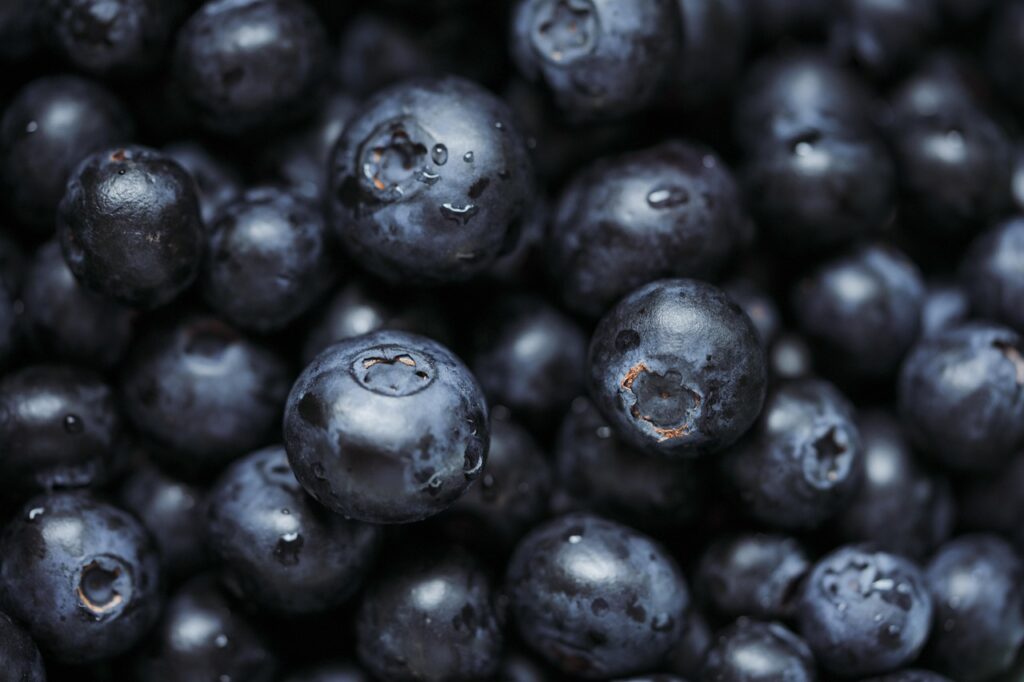
Blueberries
Blueberries are tiny but powerful loaded with antioxidants that help combat aging and support cellular repair. They’re one of the few fruits safe for cats in moderation, and they bring real nutritional value to the bowl, not just buzzword appeal.
To feed blueberries, go small and simple. Offer them fresh or frozen (thawed first), and stick to one or two at a time. You can mash them and mix them into wet food as a surprise texture, or offer a single berry as an occasional treat. Avoid anything canned or sweetened, and always wash them thoroughly. It’s not a daily must have, but it can be a smart addition to a varied diet when used occasionally.
Pumpkin
Pumpkin is one of those rare, do it all superfoods for cats. It’s a natural source of fiber and beta carotene, and it plays both sides of the digestion game relieving constipation while also firming up loose stools. The fiber helps to regulate bowel movements, and the gentle texture makes it easy on your cat’s stomach.
A spoonful or two of plain, canned pumpkin (not the spiced pie filling) can be mixed into your cat’s food as needed. It’s not a cure all, but it’s a safe, simple way to support gut health especially if your cat’s stomach is easily thrown off by dietary changes or stress. Just don’t overdo it. A little goes a long way, and moderation means fewer litter box surprises.
Sardines (in Water, No Salt Added)
Sardines pack a solid punch for feline health. These small fish are naturally loaded with omega 3 fatty acids, calcium, and high quality protein all of which contribute to joint support, a glossy coat, and overall vitality. Unlike larger fish, sardines are low on the food chain, which means fewer toxins and heavy metals get passed on to your cat.
They’re also a practical alternative to raw fish, which can carry parasites or lead to nutrient imbalances. But don’t just open a can and dump it in the bowl. Go for sardines packed in water, with no added salt or seasoning. A little goes a long way. Even a small piece dropped into their regular meal once a week can be a game changer for coat and bone health.
Spinach
Spinach earns its stripes as a dense source of iron, Vitamin K, and magnesium all of which play a role in your cat’s bone health, blood function, and metabolic balance. It’s a small but mighty green that can add variety and nutrients to a feline diet.
But here’s the catch: spinach is also high in oxalates. In large quantities, oxalates can contribute to kidney issues, especially in cats prone to urinary tract problems. That’s why moderation is key. Think occasional, bite sized servings finely chopped and mixed into their regular food not a spinach salad. As always, if you’re unsure about adding new foods, check in with your vet first.
Eggs (Cooked Only)
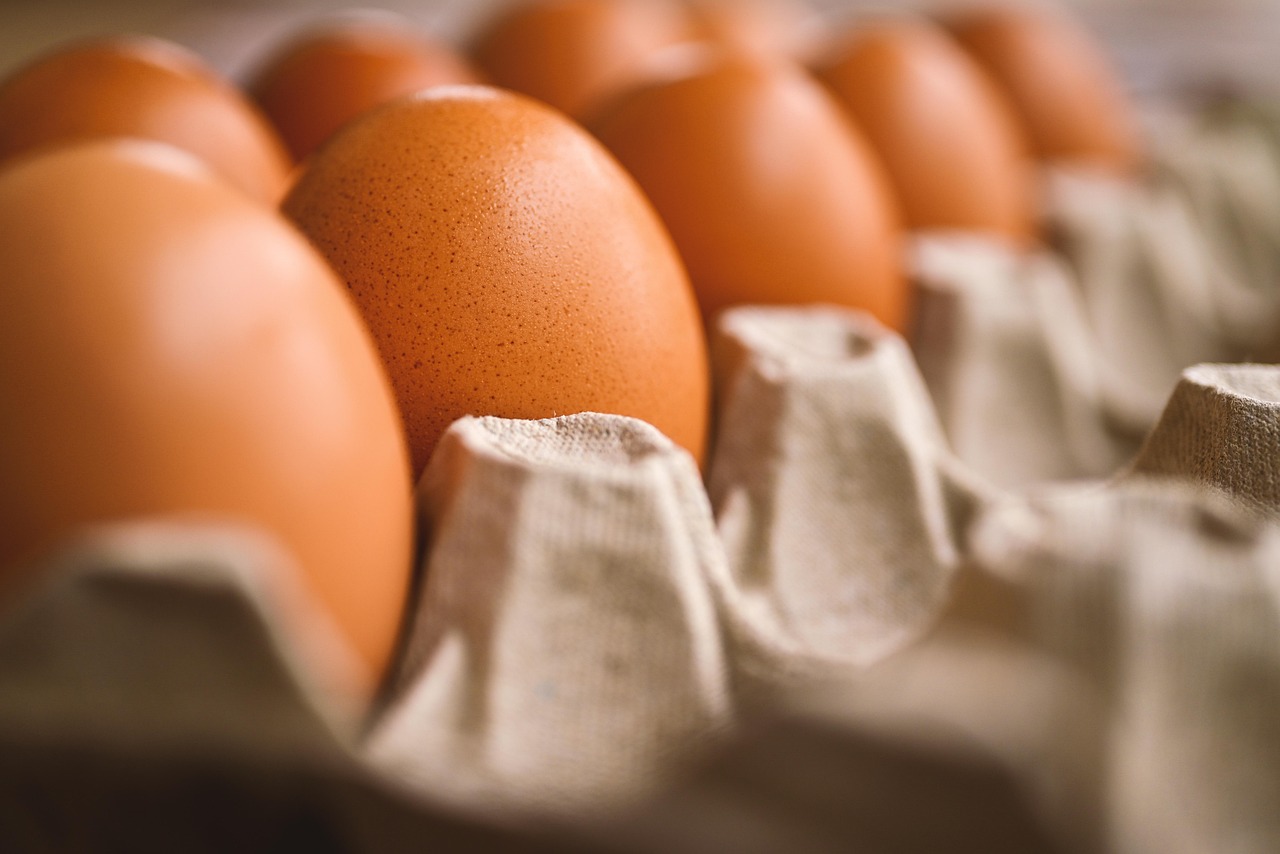
Eggs are one of the most complete sources of protein you can offer your cat. They’re rich in amino acids, which help repair muscle tissue and support overall body function. For active or aging cats, that protein boost can make a clear difference in strength and energy.
But here’s the deal: always cook the eggs. Raw eggs can carry salmonella, which is dangerous for both pets and humans. Scrambled or hard boiled works just fine no butter, salt, or seasoning needed. Stick to plain, cooked, and occasional servings to keep it safe and simple.
Chia Seeds
Tiny but powerful, chia seeds pack a serious punch of omega 3 fatty acids and fiber both of which can support your cat’s digestive health and coat quality. They’re also a natural way to help with occasional constipation or dry skin. But here’s the catch: dry chia seeds can absorb up to 10 times their weight in water, which is not something you want happening in your cat’s stomach.
To make them safe and digestible, always soak chia seeds before mixing them into your cat’s food. About a teaspoon in a couple tablespoons of water, left to gel for 15 20 minutes, does the trick. Once hydrated, add a small spoonful to wet food or mix into kibble right before serving. Start slow like once or twice a week and see how your cat responds.
Used correctly, chia seeds are an easy, low effort upgrade that delivers real nutritional benefits without overcomplicating your pet’s routine.
Carrots
Carrots are a quiet nutritional powerhouse for cats when used right. Rich in beta carotene an antioxidant linked to eye health they can give your feline a gentle vitamin A boost. But raw carrots? Too tough. Cats don’t chew like we do, and raw chunks can be hard to digest or even a choking risk.
The fix is simple: steam them. Light steaming softens carrots just enough to be safe and digestible without killing off their key nutrients. You don’t need much just a few small, cooled off pieces mixed into your cat’s usual food. Skip the seasoning and oils. This is about clean, mild support, not flavor bombs.
Used occasionally and in moderation, steamed carrots are a smart add on to your cat’s diet. Easy to prep, easy to digest, and more beneficial than you’d expect from a root vegetable.
Bone Broth
Bone broth is simple, but powerful. It’s packed with nutrients that directly support your cat’s hydration, digestive system, and joints. When served in moderation, it can be a great supplement especially for older cats who may need extra care.
Not all broths are created equal. Store bought options are often loaded with salt, seasonings, or garlic all of which are dangerous to cats. Stick to low sodium, pet specific broths when buying, or better yet, make your own. A basic homemade version starts with simmering animal bones like chicken or beef in water (skip the onions and spices). Cool, strain, and serve small amounts over dry kibble or as a stand alone treat.
Don’t expect miracle cures, but do expect better hydration, a gentle gut boost, and help supporting aging joints when bone broth becomes a regular part of the mix.
Coconut Oil
Coconut oil is one of those ingredients that’s gained traction for good reason. When used in small, controlled amounts, it can help improve your cat’s coat making it softer, shinier, and more resilient. It also offers some support to the immune system thanks to its antimicrobial properties. That said, more isn’t better here.
Start slow. A tiny dab mixed into food once or twice a week is enough to test tolerance. Too much too fast, and you might be cleaning up digestive messes you didn’t sign up for. And always go with virgin, unrefined coconut oil no additives, no surprises.
Used right, it’s a simple way to boost both appearance and internal health without overcomplicating things.
Reading Labels: Superfoods in Commercial Cat Food
You don’t have to be a nutritionist to spot quality. A growing number of premium cat food brands are baking superfoods right into their recipes think blueberries, pumpkin, salmon oil, or chia seeds. The smart ones do it without loud marketing gimmicks. It’s just in the mix, doing its job quietly.
If you’re scanning labels, focus on whole ingredients that show up early in the list. Real meat should lead, but keep an eye out for things like “salmon,” “pumpkin puree,” and “chia seeds” not just vague terms like “animal derivatives” or “flavorings.” Also, be cautious. Words like “natural” or “holistic” are marketing fluff unless backed by ingredient transparency.
Want to get better at label reading? Learn how to decode health claims and spot nutritional red flags in Understanding Pet Food Labels: Ingredients and Claims Decoded.
Aim for Balance, Not Just “Boosts”
Superfoods get all the hype, but they’re not magic bullets. Tossing chia seeds or blueberries into your cat’s bowl doesn’t make up for an unbalanced diet. These ingredients work best as boosters within a full, nutritionally complete meal plan ideally one that’s been OK’d by a veterinarian who knows your cat’s health history.
A second rule: go slow. Cats have sensitive digestive systems. Even healthy ingredients can cause issues if they’re introduced too fast. Start with very small portions, watch for reactions, and don’t overwhelm their gut by adding too many things at once.
And if in doubt? Ask your vet. Cats aren’t one size fits all age, activity level, allergies, and health conditions all matter. When you build around your cat’s specific needs instead of social media hype, you won’t just feed them you’ll actually support their long term wellbeing.