
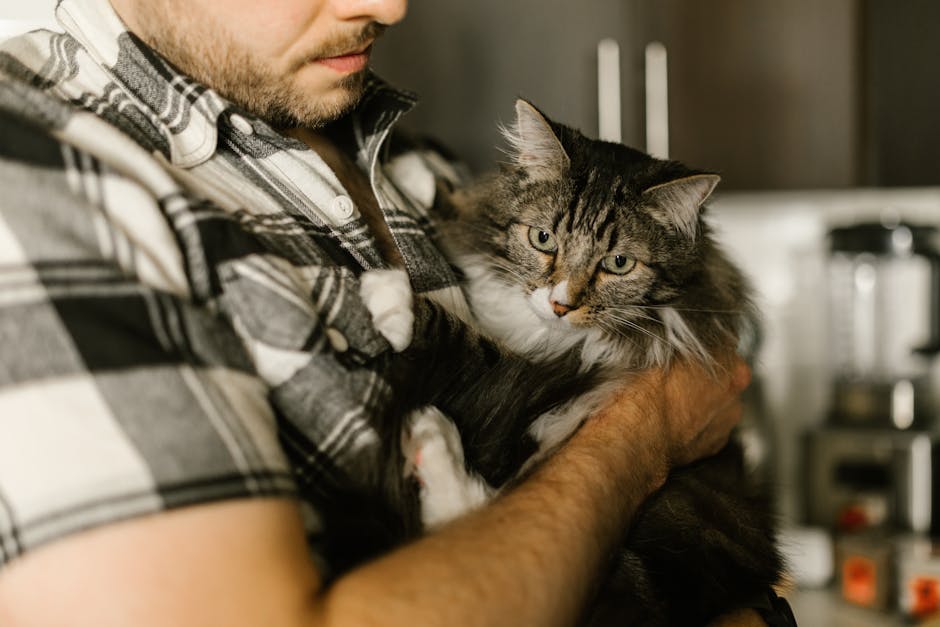
Making the Decision to Adopt
In 2026, rescuing isn’t a fallback it’s a first choice move for people who want a pet and understand responsibility. Shelters are still over capacity in most regions, with thousands of animals waiting for a second shot. Adoption helps cut into that overcrowding and plays a real part in reducing euthanasia rates. Every animal adopted leaves room for another to be saved. That’s not just feel good fluff it’s straight math.
But adopting isn’t something you do on impulse. Before bringing a rescue into your life, take a hard look at your daily routine. Pets, especially those coming out of shelters, take time, structure, and patience. There are costs vet bills, food, training and there’s the emotional work of building trust with an animal who might’ve been through a lot.
So while adoption is one of the most rewarding choices you can make, it’s not about rescuing just for the story. It’s about commitment. It’s about showing up for your animal, day in and day out. If you’re ready for that, then yes rescuing in 2026 is still one of the best decisions you can make.
Step 1: Researching Local Shelters and Rescues
Before you adopt, it’s important to ensure you’re working with a trustworthy organization. Doing the groundwork now leads to a smoother and more responsible adoption process.
Finding Legitimate Shelters and Rescue Groups
Not all shelters or rescues operate the same, and legitimacy matters. Here’s how to identify well run, ethical organizations:
Start local: Use online directories or ask a local vet for recommendations.
Read reviews: Look for rescue groups with a consistent reputation for care and transparency.
Check nonprofit status: Credible rescues usually operate as 501(c)(3) nonprofits.
Assess online presence: Professional websites and updated social media often signal active, organized operations.
Types of Rescue Organizations
Understanding the basic structure of different rescues will help you choose the right one for your situation:
Government shelters: These are city or county run facilities. They often have lower fees but face resource limitations.
Private rescues: Usually nonprofit organizations with specific missions, such as breed specific adoptions or senior pet care.
Foster based networks: Pets live in private homes until adopted, allowing for more one on one care and insights into the animal’s personality.
What to Look For
The best rescues are open and supportive throughout the process. Key indicators of a reputable organization include:
Transparency: Clear adoption procedures, full disclosure of health records, and honest behavioral assessments.
Support for adopters: Guidance during and after adoption, including training resources and vet referrals.
Positive community feedback: Endorsements from past adopters, volunteers, and veterinarians.
Taking the time to research ensures a better match and sets both you and your new pet up for success.
Step 2: Filling Out an Application
The adoption application isn’t just paperwork. It’s how shelters and rescues make sure the animal ends up in a safe, stable home. These dogs and cats have often already been through enough. The goal isn’t to judge you it’s to place pets where they’ll thrive long term.
Expect questions about your lifestyle, work schedule, previous pet experience, and home environment. You might be asked things like: Do you rent or own? How many hours will the pet be alone? Do you have a fenced yard? These aren’t trick questions. They help match the right animal to the right kind of home.
When filling out an application, be upfront. Say if you’ve never owned a dog but you’re willing to work with a trainer. Say if your schedule is tight during the week but wide open on weekends. Honesty helps everyone: you, the rescue, and, most importantly, the animal looking for a second chance.
Step 3: The Interview or Home Visit

If you’re asked to do an interview or home check, don’t panic. Shelters and rescues aren’t looking for a perfect house they’re looking for a stable one. That means a safe, consistent living space where a pet can settle in without chaos. No one expects you to have Instagram worthy decor or an acre of backyard. What counts is that you’re ready for the responsibility, and that it shows.
This step is also about making sure the fit goes both ways. If you’re a quiet homebody looking to adopt a high energy working dog, a responsible shelter will raise that flag. It’s not rejection it’s protection. For you, and for the animal. The match matters more than speed.
Before the visit, take a fresh look at your home. Do a basic clean up. Secure cords, remove toxic plants, and double check fences if you have outdoor space. Set clear, designated places for food, water, and sleeping. If you’re renting, have your pet policy ready.
The more honest and prepared you are, the smoother this step goes. Shelters want their animals safe and settled and a well matched adopter is the best way to make that happen.
Step 4: Meeting Your Future Pet
First impressions matter but don’t expect fireworks. A meet and greet is less about instant bonding and more about quiet observation. It’s your chance to see how a pet reacts around you and how you feel around them. Expect the space to be neutral: a play yard, visitation room, or foster’s living room. Keep it calm. Skip the squealing or treats right away. Just be there.
Green flags to look for: relaxed body language, curious sniffing, and a willingness to approach without fear. The pet doesn’t need to be all over you, but you’ll want to see some openness. Red flags? Excessive cowering, aggressive posturing, or complete withdrawal. But even those signs don’t always mean it’s a no they may just signal a need for patience, or a different kind of environment than you can offer.
Don’t leave without asking questions. Start simple: What’s the pet’s current routine? How do they handle stress? What are their triggers? Ask how they interact with people, other animals, or new environments. Good caregivers will be honest about quirks as well as strengths. You’re not just picking a pet you’re building a relationship. Start with trust.
Step 5: Finalizing the Adoption
So you’ve found your match. Here’s where things get real and a bit more official. First, the adoption fee. Yes, it’s normal. No, it’s not a profit grab. That fee usually covers the essentials your new pet has already received: spay or neuter surgery, vaccines, a microchip, and sometimes even starter supplies like food or a leash. You’re not just getting a pet you’re getting peace of mind that someone already took care of the basics.
Next comes the adoption agreement. Read it. It’s not just paperwork; it’s the mutual understanding that you’re committing to care. The rescue commits too they’ve already done the heavy lifting to make sure this adoption was a good fit. Expect clauses about proper care, no rehoming without notice, and staying up to date on vet visits. Some agreements may include a post adoption check in. That’s a good thing.
Finally: homecoming. Expect a transition period. Some pets adjust in a day. Others take weeks. Give your new family member time to decompress, observe, and settle. Routines help. Patience is everything. You’re not just welcoming an animal, you’re building trust and that takes time. But once it clicks, you’ll know it was worth every step.
Post Adoption Support and Resources
Adoption isn’t the finish line it’s the starting block. Once you bring your rescue pet home, the real work begins. Thankfully, you don’t have to do it alone. Many reputable rescue groups keep support lines open post adoption, whether that means follow up check ins, behavior advice, or just answering your 11 PM email about why your dog suddenly won’t eat.
Tap into your local and online communities. There are Facebook groups full of adopters who’ve been exactly where you are, trainers who offer discounted sessions for rescue pets, forums packed with down to earth advice. Lean on them. No one expects you to become a behavior expert or nutritionist overnight.
And speaking of nutrition get your vet involved early. A full checkup within the first couple weeks helps spot issues before they grow. Discuss diet options that align with your pet’s past, current needs, and any sensitivities common in their breed or background. Rescue pets sometimes carry emotional baggage, too. Don’t overlook the mental side of recovery. Gentle routines, enrichment toys, and yes, a little patience, go a long way.
Support exists at every step you just have to ask. Rescue isn’t a solo mission. It’s a community effort.
Breaking the Stigma Around Shelter Animals
Let’s cut to it: shelter animals aren’t broken. They’re not flawed, hard to train, or emotionally damaged by default. In fact, many of them are house trained, socialized, and just waiting sometimes for months for someone to give them a second shot. You don’t always know their full history, sure. But what you do get is raw personality, loyalty, and a chance to build something real from day one.
Some of the most affectionate, healthy, and smart pets out there are rescues. The old stereotype that shelter animals come with problems is fading, but not fast enough. These animals don’t need pity. They need people to look past assumptions and see the potential.
It’s time to push back on outdated narratives. Shelter pets aren’t plan B. For many adopters, they turn out to be the best decision they ever made.
Curious about those old myths and what’s actually true? Here’s the breakdown: Common Myths About Shelter Animals Debunked.
 There is a specific skill involved in explaining something clearly — one that is completely separate from actually knowing the subject. Norah Porteranaz has both. They has spent years working with training techniques and guides in a hands-on capacity, and an equal amount of time figuring out how to translate that experience into writing that people with different backgrounds can actually absorb and use.
Norah tends to approach complex subjects — Training Techniques and Guides, Animal Behavior Insights, Pet Product Reviews being good examples — by starting with what the reader already knows, then building outward from there rather than dropping them in the deep end. It sounds like a small thing. In practice it makes a significant difference in whether someone finishes the article or abandons it halfway through. They is also good at knowing when to stop — a surprisingly underrated skill. Some writers bury useful information under so many caveats and qualifications that the point disappears. Norah knows where the point is and gets there without too many detours.
The practical effect of all this is that people who read Norah's work tend to come away actually capable of doing something with it. Not just vaguely informed — actually capable. For a writer working in training techniques and guides, that is probably the best possible outcome, and it's the standard Norah holds they's own work to.
There is a specific skill involved in explaining something clearly — one that is completely separate from actually knowing the subject. Norah Porteranaz has both. They has spent years working with training techniques and guides in a hands-on capacity, and an equal amount of time figuring out how to translate that experience into writing that people with different backgrounds can actually absorb and use.
Norah tends to approach complex subjects — Training Techniques and Guides, Animal Behavior Insights, Pet Product Reviews being good examples — by starting with what the reader already knows, then building outward from there rather than dropping them in the deep end. It sounds like a small thing. In practice it makes a significant difference in whether someone finishes the article or abandons it halfway through. They is also good at knowing when to stop — a surprisingly underrated skill. Some writers bury useful information under so many caveats and qualifications that the point disappears. Norah knows where the point is and gets there without too many detours.
The practical effect of all this is that people who read Norah's work tend to come away actually capable of doing something with it. Not just vaguely informed — actually capable. For a writer working in training techniques and guides, that is probably the best possible outcome, and it's the standard Norah holds they's own work to.