
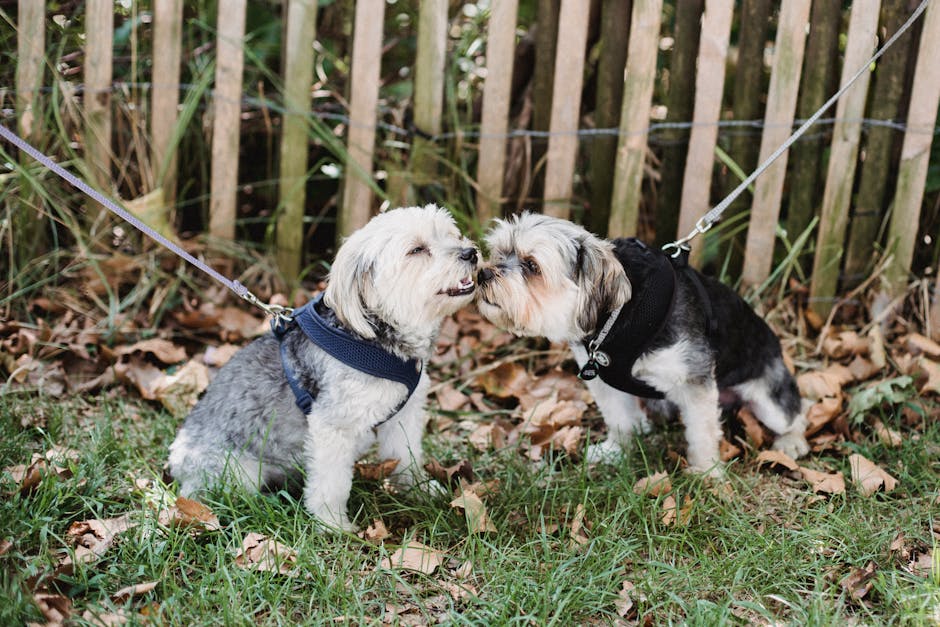
Why Small Dogs Need Harnesses (Not Just Collars)
For small dog breeds, harnesses aren’t just optional they’re essential tools for safe and comfortable walks. Understanding the physical structure of smaller dogs helps explain why traditional collars often fall short.
Unique Anatomy of Small Breeds
Small dogs are built differently from their larger counterparts. Their skeletal frames and delicate neck structures make them more vulnerable to harm from everyday gear.
Fragile necks: Small breeds like Chihuahuas, Yorkies, and Pomeranians have thinner, more fragile necks than larger dogs
Narrow torsos: Many small dogs have a tapered build, which means standard collars can slip or create uneven pressure
The Risks of Traditional Collars
Using a collar for walking may seem convenient, but for small dogs, it can actually be dangerous. Tugging or sudden pulling from a leash attached to a collar increases the risk of lasting damage.
Tracheal collapse: A common issue in toy breeds; even light pressure can lead to coughing or breathing issues
Choking or gagging: One strong pull can restrict airflow due to the small windpipe size
Neck injuries: Especially risky for dogs prone to anxiety or pulling on walks
Why Harnesses Make a Better Choice
Harnesses distribute pressure evenly across the dog’s chest and shoulders away from the neck which makes walks safer and more enjoyable.
Better control: Harnesses give you a more stable grip and steer your dog without causing discomfort
Reduced strain: Even energetic or pulling prone dogs experience less stress on their bodies
Improved safety: Less risk of slips, escapes, or serious injuries caused by collars
Choosing a harness isn’t just about convenience it’s a choice rooted in your dog’s long term health, comfort, and happiness.
Adjustability is the difference between a harness that supports and one that slips. For small dogs, it’s critical. Look for models with at least three adjustment points often at the chest, neck, and girth. This ensures a snug fit that moves with your dog without pinching or restricting. One size fits most doesn’t cut it when you’re dealing with everything from lean Italian Greyhounds to stocky Frenchies.
Padding matters more than you think, especially around the chest and neck. Thin skinned or fine haired breeds can chafe easily, and harnesses with wide, cushioned panels distribute pressure more evenly during pulls or sudden stops. Think soft but durable neoprene or mesh lined padding is a common sweet spot.
Front clip vs. back clip depends on your walking reality. Front clip harnesses are ideal for dogs that pull they shift the angle of force and give you more directional control. That’s why they’re a go to for training. Casual strollers or well behaved pups might prefer back clip models, which tend to be easier to put on and more comfortable for straight line cruising.
Escape proof design isn’t just a bonus it’s a must. Small dogs are pros at wriggling out of loose gear. To prevent surprise Houdini acts, opt for harnesses with high set neck straps, secure buckles, and a contour hugging shape. Some models even have dual loops or safety toggles for extra peace of mind during city walks or hikes.
The goal is simple: fit that doesn’t fight your dog or you. A well designed harness should feel like part of their movement, not a restraint against it.
Top Harness Picks for 2026
Veterinarians and professional dog trainers aren’t guessing when it comes to harness recommendations they’re testing for comfort, control, and long term wearability. In 2026, a few models consistently rise to the top. The Ruffwear Front Range remains a favorite for its adjustability and all day comfort. The Puppia RiteFit is still a go to for tiny breeds thanks to its soft mesh and minimal bulk. And for escape artist pups, the Gooby Escape Free Sport keeps dogs secure without overcomplicating the fit.
Materials matter, especially for seasonal use. Today’s best harnesses are made from lightweight, quick drying fabrics that hold up in both heat and rain. Breathable mesh interiors and padded straps help prevent rubbing, while still feeling light enough for summer walks. Durability without bulk that’s the sweet spot.
Fit is where most harnesses either win or fail, especially across different small breeds. Chihuahuas benefit from Y shaped fronts that avoid pressure on the throat. Cavaliers, with their round chests, need flexible panels that don’t restrict shoulder movement. French Bulldogs? Deep chests and thick necks call for broader straps and lower necklines to avoid choking. Brands offering multiple size pivots and precision adjustment points not just S, M, L are crucial for a secure, comfortable fit.
Finding the right harness comes down to knowing your dog’s shape and how the gear performs. With these top picks, you’re not just buying a product you’re investing in safer, breezier walks.
Safety Testing and What It Really Means

Not all harnesses are created equal especially when safety claims are involved. “Crash tested” sounds great on a label, but unless the brand backs it up with data from independent labs (think certified crash tests under CPS or ECE standards), it might just be marketing fluff. Look for specifics: What standard was it tested to? Was the test done with a dog dummy at real world speeds? Vague wording like “safety rated” is a red flag.
Now, onto design flaws. In 2026, too many harnesses still miss the mark with the same old problems: loose chest straps that ride up into the throat, restrictive designs that limit shoulder motion, and weak plastic buckles that snap under pressure. These might fly on a quick park stroll, but could fail fast in real scenarios, like a sudden leash tug or car stop.
Fitting your dog correctly is the final piece and the most overlooked. A safe harness sits snug against the body without squeezing. You want about two fingers of space under each strap. The chest plate should sit low, over the sternum, not the neck. Adjust every point if your model allows, especially around the belly and shoulders. And test the fit indoors first: a slow walk, a few turns, maybe a jump. If it slips, shifts, or your dog resists moving naturally, it’s not the right setup yet.
Bottom line: Trust proven tests, avoid gimmicky designs, and make the fit a non negotiable. Your dog can’t ask for a safer harness you’ll have to demand it for them.
Comfort Without Compromise
Small dogs might be tiny, but they’re not pushovers especially when it comes to comfort. A well designed harness starts with ergonomics. Look for models that contour to your dog’s chest and shoulders without riding up or digging in. Anti pull features, like a front clip design or gentle tension distribution, help correct behavior without triggering stress or strain. These aren’t just training perks they’re comfort essentials.
For dogs with sensitive skin or allergies, material matters. Avoid cheap synthetics. Instead, go for harnesses made with breathable mesh, soft cotton blends, or hypoallergenic neoprene. These fabrics are less likely to cause irritation and easier to clean, which means fewer flare ups from grime or sweat buildup.
Getting your small dog to actually enjoy wearing their harness? That’s a process. Start with short sessions inside no walks, just wearing it around the house with treats and calm praise. Let them sniff it before it goes on. Never rush. The goal is to make the harness feel normal, not like a punishment. Within a week or two, most dogs stop noticing it and that’s when enjoyable, tug free walks begin.
Bonus Tip: Pair It With the Right Sleep Setup
Why Sleep Gear Matters
Good sleep isn’t just a human priority it directly affects your small dog’s mood, recovery, and overall well being. While much focus is placed on harness fit for walks and activity, poor sleep quality can undo many of those comfort gains. A well fitting harness and supportive rest setup go hand in hand for a happier, healthier pup.
Comfort Beyond the Walk
Small dogs are particularly sensitive to pressure points and temperature changes. The wrong bed can lead to joint soreness and a cranky attitude. When paired with a properly fitted harness that reduces post walk discomfort, a high quality bed completes the comfort equation.
Key Considerations for a Small Dog’s Sleep Setup:
Supportive Materials: Look for orthopedic foam or supportive memory fill even small breeds benefit from joint supportive designs, especially seniors.
Washable Covers: Dogs prone to allergies or skin sensitivities need clean sleep surfaces.
Correct Sizing: A bed that’s too large won’t offer enough body contouring; too small, and your pup won’t fully relax.
Durable Design for Tiny Sleepers
Even though the article highlights beds for large dogs, the Top 5 Dog Beds for Large Breeds: Comfort Meets Durability includes valuable insights for small dog parents. Many of these beds use materials and stitching techniques that make them:
Long lasting: Ideal for dogs who scratch or dig before lying down
Temperature adaptive: Great for small breeds that get cold easily
Built with ergonomic principles: Designed to cradle a dog’s body, no matter the size
Final Thought
Don’t overlook your dog’s rest zone. A comfortable, supportive bed is just as essential as a harness that fits right. When both align, your small dog enjoys not only safer walks but also deeper, more restorative sleep.
Final Word: The Right Harness = Happier Walks
A well made harness isn’t just a nice accessory it’s essential gear. For small dogs, it’s the best defense against injuries caused by sudden pulls, poor design, or collar pressure on delicate necks. But beyond safety, a harness can shape your dog’s behavior for the better. Less tugging, more control, and clear boundaries make walks less frantic and more focused.
The good news for 2026? The market’s stepped up. Today’s best harnesses are thoughtfully engineered lighter, more secure, easier to fit. Some come with built in pressure dispersion, smart adjustments, and escape resistant designs. Dogs get comfort, humans get control, and together you both get more out of every outing.
Don’t settle for old designs or gimmicks. The right harness is out there, and it’s smarter and safer than ever. Your dog deserves it. Honestly, so do you.
 Zyvaris Vandell is a passionate storyteller and an esteemed author for LLBlogPet, where he crafts engaging narratives and insightful articles that resonate with readers worldwide. With a keen eye for detail and a love for language, Zyvaris has a knack for bringing stories to life, whether through his creative fiction or informative blog posts. He holds a deep appreciation for the art of communication and strives to connect with his audience on a meaningful level. Zyvaris’ work is characterized by its clarity, creativity, and the ability to capture the essence of a wide range of topics, making complex ideas accessible and intriguing. When not immersed in writing, he enjoys exploring new ideas and diving into new book genres. His commitment to quality storytelling and the written word make him a valued member of the LLBlogPet team and a beloved figure among his readers.