
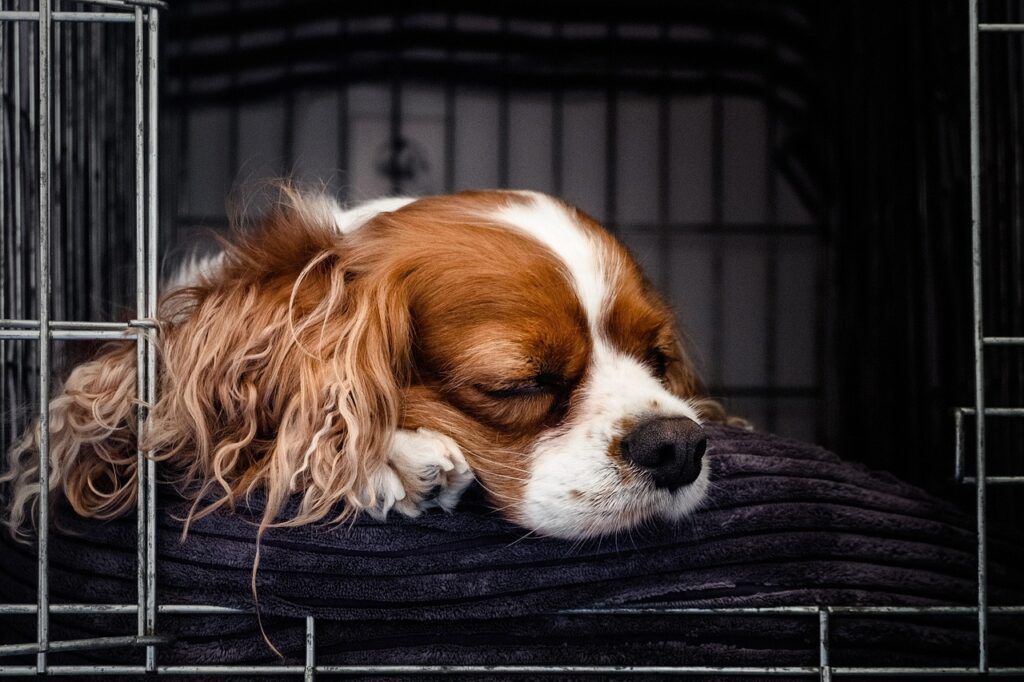
Why Crate Training Still Works
Crate training isn’t just a trend it’s a time tested method that continues to benefit both pets and owners, especially in today’s fast paced, space conscious world.
A Safe, Secure Den Like Space
Dogs are den animals by nature. A crate provides a personal space that mimics this instinctual environment:
Offers comfort and security
Gives your dog a personal spot to decompress
Reduces stress when overstimulated or anxious
Effective for Housebreaking and Routine
Consistency is key when training dogs, and crates help establish predictable routines:
Supports housebreaking by teaching bladder control
Encourages dogs to learn when it’s time to rest and when it’s time to engage
Ideal for setting schedules around meals, play, and sleep
Especially Practical for 2026 Lifestyles
With more people living in apartments, working hybrid schedules, and managing busier routines, crate training remains a practical solution:
Works well in smaller living spaces
Provides structure when owners are in and out of the home
Helps manage dogs’ energy levels in urban or indoor environments
In short: crates continue to be a modern solution grounded in instinctual canine behavior and flexible enough to fit into today’s lifestyle demands.
Choosing the Right Crate
Not all crates are built the same, and picking the wrong kind can throw off your entire training process. So let’s break it down:
Wire crates are the go to for most. They’re durable, well ventilated, and fold up for storage. Plus, many come with dividers, which help with potty training a growing pup. But they’re heavier, and they’re not exactly cozy out of the box you’ll need to pad it up.
Plastic crates are quieter and feel more like a den, which can help anxious dogs relax. Great for travel and airline approved in many cases. On the downside, they’re bulkier, harder to store, and not breathable in hot weather.
Soft sided crates are the lightweight champs. Ideal for calm adult dogs or shorter outings. These are easy to carry, but not built for chewers, scratchers, or energetic pups who might try to Houdini their way out.
Now about size: skip the temptation to get one your dog can grow into. Crates should be just big enough for your dog to stand, turn around, and lie down. That’s it. Too much space and he’s more likely to use one end as a toilet. Less is more here.
Lastly, location matters. Set the crate up somewhere peaceful but not isolated a corner of the living room, maybe near your bed at night. Avoid the garage, laundry room, or anywhere lonely. Dogs are pack animals. They want to be near you, even when resting.
Step 1: Introduce the Crate
Crate training starts with creating a positive first impression. Your dog or puppy needs time to see the crate not as confinement, but as a comfortable and safe spot that’s uniquely theirs.
Make the Crate a Welcoming Space
Leave the crate door open so your dog can explore freely
Add cozy elements like soft blankets, a favorite toy, or a crate mat
Avoid overstimulating environments place the crate in a low traffic, quiet corner of your home
Let Them Explore Naturally
Don’t rush the process every dog adjusts at their own pace
Allow your dog to enter and exit on their own while you remain calm nearby
Avoid coaxing with force; instead, use praise if they sniff or step inside willingly
Use Calm, Positive Encouragement
Speak gently and remain patient as your dog gets familiar with the crate
Reward calm behavior with treats or affection
Spend a few minutes sitting near the crate to model relaxed energy
This early phase lays the groundwork for a healthy relationship with the crate. It’s all about trust, patience, and positive associations.
Step 2: Associate Positive Experiences
Getting your dog to like the crate starts with simple, consistent wins. Begin by feeding meals inside the crate. No need to close the door just let them step in, eat, and step back out. This links the space with something positive and routine. When crate time equals food time, walls become less intimidating.
Next, catch and reward any moments your dog enters the crate on their own. Use treats, a calm voice, and praise that matches their vibe. If they’re shy, keep it low key; if they’re social, let them feel your excitement. The goal isn’t to bribe, it’s to build a habit around calm comfort.
Once your dog starts going in with ease, introduce a cue word like “crate.” Say it right before they enter, and drop a treat inside. Keep it sharp and consistent not sing songy, not stern. Over time, the word becomes a reliable signal, not a command barked in frustration.
The crate shouldn’t feel like a trap. You’re aiming for a space your dog chooses because it feels safe, predictable, and good.
Step 3: Gradually Increase Crate Time

Start small. A few minutes in the crate with the door closed is enough to begin. You’re not aiming for marathon sessions the goal is to build calm, stress free association.
Always return before your dog gets anxious. If they’re whining, pacing, or clawing to get out, you’ve pushed too far. Back up a step next time. Keep sessions short and gradually extend them as your dog stays relaxed.
Do your practice runs while you’re still at home. Read a book, watch a show, do dishes just don’t leave the house right away. This lets your dog learn that crate time doesn’t always equal you disappearing. You want the crate to feel boring, predictable, safe. That takes reps, not rush.
Step 4: Crate Training at Night and When You’re Out
Nighttime can be tricky, especially with puppies. Their tiny bladders mean you should gear up for some middle of the night potty runs. Set an alarm if needed it’s part of the early grind, and it won’t last forever. Skipping this step often leads to messy setbacks.
In the beginning, keep the crate close to your bed. Puppies are adjusting to a new place and being away from their litter. Hearing you breathe, shift, or speak softly keeps them calm. You don’t want to coddle endlessly, but a sense of reassurance helps prevent whining and fear based resistance to the crate.
Lastly, make this clear: the crate is not a punishment zone. Using it as a timeout when your dog misbehaves turns the entire process into something negative. The crate should feel safe, not like a jail. If your dog sees it as their place to reset not just be controlled they’ll go in willingly. That’s the goal.
Troubleshooting Common Issues
Whining is common but before you assume your crate training failed, step back. Some dogs whine because they’re genuinely anxious. Others? They’ve figured out that whining might get your attention. Timing is key. If your dog starts making noise right after being crated and stops the second you engage, it’s likely just testing boundaries. True anxiety shows up alongside other signs: pacing, drooling, panting. Know the difference.
If your dog struggles with separation anxiety, you’ll need more than just crate time. Training that builds independence helps. One solid tool: Clicker Training for Pets. It’s structured, rewards positive behavior, and shifts focus from fear to anticipation over time.
Then there’s the chewing. Shredded bedding isn’t a style statement it’s your dog signaling boredom, stress, or just having way too much fun. Swap out plush liners for chew resistant, durable crate mats. Some dogs need a bit of tough love design to stay comfy and safe.
Work through these problems with intention, not frustration. Set your dog up to succeed and stay consistent. That’s the thread that holds all crate training together.
Tips for Long Term Success
Crate training isn’t a one and done process it’s about building habits that stick for the long haul. The crate should evolve from a training tool into a normal part of your dog’s daily environment. Leave the door open during the day. Let them nap or take breaks there on their own. That familiarity makes it feel like home, not a punishment zone.
Time limits matter. Puppies under 6 months shouldn’t be crated for more than 3 4 hours at a stretch during the day. Older dogs can handle longer stints, but even then, use common sense. Long workdays without breaks can lead to anxiety, boredom, and bladder accidents.
Balance it all out. Regular exercise keeps energy levels in check. Clear boundaries provide structure. Affection calm and consistent builds trust. Crate training works best when it’s just one piece of a full routine built around your dog’s physical and emotional needs.
When Crate Training Isn’t the Right Fit
Not every dog will thrive in a crate especially some rescues. Past experiences, neglect, or harsh conditions can leave dogs with crate trauma. For these pups, confinement isn’t calming it’s a trigger.
The good news: crates aren’t the only option. Sturdy playpens can provide structure without the enclosed pressure. Baby gates can turn part of a room into a safe, low stress zone. And in some cases, focused behavior training can build security over time without needing any barriers.
If your dog panics in the crate despite slow introductions and positive reinforcement, don’t keep pushing. Talk to a certified dog trainer who specializes in anxiety or rescue cases. They can help you figure out a system that builds trust rather than fear. The goal is always the same: a calm, confident dog who feels safe crate or not.