
Being Inconsistent with Commands
Consistency is the foundation of effective pet training. When you change your commands or use different phrases for the same action, your pet gets confused and confusion stalls learning.
Why Consistency Matters
Animals learn through clear, repeated associations.
Using multiple commands (e.g., “Down” and “Off”) for a single behavior causes uncertainty.
Inconsistent language leads to slower progress and frustration for both pet and owner.
How to Stay Consistent
Pick one command per behavior and stick with it. For example, use “Sit” every time instead of switching between “Sit down” or “Take a seat.”
Train all members of the household to use the exact same word for each action. Mixed messages from different people confuse your pet and delay learning.
Reinforce through repetition. The more your pet hears and responds to the same command, the faster it becomes second nature.
Quick Tip
If you’ve already been inconsistent, consider doing a quick reset. Choose your new standard commands, inform everyone in the household, and focus on reinforcing them consistently over the next few weeks.
Skipping Socialization
A pet that doesn’t get out into the world early on is going to have a harder time adjusting later. Isolation doesn’t just make them shy it builds the foundation for anxiety and aggression. Dogs bark constantly, cats hide for days, and suddenly you’ve got a nervous wreck on your hands.
The fix is simple and starts early. Let them experience different people, smells, and environments while they’re still young. Take them on a walk through a busy park, invite guests over, say hi to the neighbor’s dog keep it low stress but regular. Early on, it’s not about training specific behaviors, it’s just helping them learn that the world isn’t scary.
Whether it’s a puppy or a kitten, the goal is to build confidence with calm, positive experiences. Socialized pets are more adaptable, more balanced, and, yes easier to train in the long run.
Punishing Instead of Redirecting

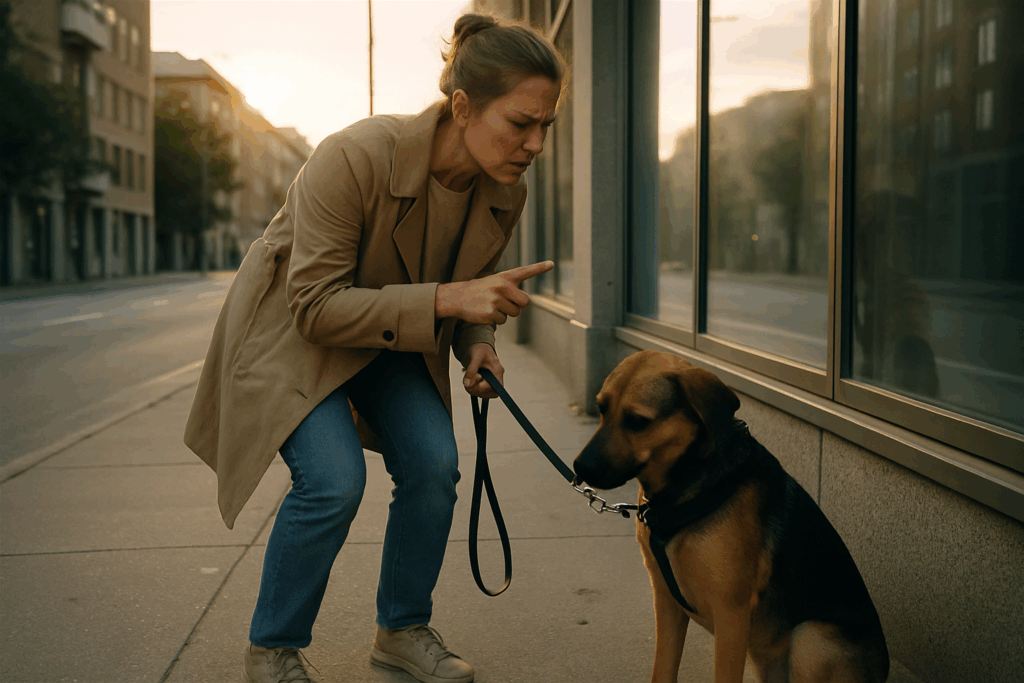
Yelling, hitting, or scaring your pet doesn’t teach them what to do instead, it teaches them to fear you. Fear is not obedience. If your goal is a respectful bond, not just control, then harsh discipline works against you.
Animals act for a reason they’re curious, worried, hungry, excited. You can’t punish instinct out of them. But you can redirect it. Instead of shouting “No!” when your dog grabs your sock, show them what you want: “Drop it,” followed by “Good job,” and offer a toy. Replace vague scolding with clear, actionable commands “Sit,” “Off,” “Leave it.” You’re not just stopping a behavior; you’re offering a better choice.
Training this way isn’t soft. It’s smart. You’re teaching, not threatening. Over time, your pet starts making good decisions without fear in the equation.
Training Only When There’s a Problem
Waiting for your pet to mess up before stepping in? That’s backwards. Reacting to bad behavior might stop it in the moment, but it doesn’t build long term habits. Good training isn’t about crisis control it’s about steady, daily work.
Think of it like any skill: you don’t wait to forget a language before practicing vocabulary. Same goes for your dog learning “stay” or your cat understanding boundaries. Keep sessions short 5 to 10 minutes is often enough. But do them often. Repetition builds muscle memory, and positive daily work creates clarity.
Small chunks, every day. That’s how trust and habits are made. No yelling, no waiting for trouble. Just steady, reliable signals your pet can depend on.
Not Understanding Their Natural Behavior
What looks like misbehavior to you might just be instinct to them. Digging, chewing, scratching these aren’t signs of a ‘bad’ pet. They’re wired in. Dogs dig to hide food or cool off. Cats scratch to mark turf and stretch. Chewing helps young animals soothe sore gums. Trying to stop these actions cold doesn’t work. It just frustrates you both.
The smarter move is to give these instincts a safe outlet. Got a chewer? Swap your shoes for a tough chew toy. Scratching up furniture? Put a sturdy scratch post right near their favorite spot. You’re not shutting down the behavior you’re steering it somewhere useful.
With younger pets, this is even more essential. Habits form fast in the early months. A little understanding now saves a lot of cleanup later. Start shaping their instincts the right way from the beginning. Check out these kitten behavior tips to get ahead of the curve.
Fix It: Train Smarter, Not Harder
Trying to force results with your pet usually backfires. Instead, smart training starts with positive reinforcement. Give your pets a reason to repeat good behavior: small treats, affections, toys, a few minutes of play. It’s not bribery it’s how animals learn best.
Be patient. No pet masters sit stay fetch overnight. Repetition builds habit. Keep things short and consistent. Five focused minutes a day beat one long session that just frustrates both of you.
And lastly, keep your cool. Pets pick up on your energy. If you stay calm and celebrate the small wins a successful recall, a calm walk, holding still for grooming you’ll stack progress faster than you think.
(Pro tip: These kitten behavior tips offer practical insights you can start using right away with young pets.)