
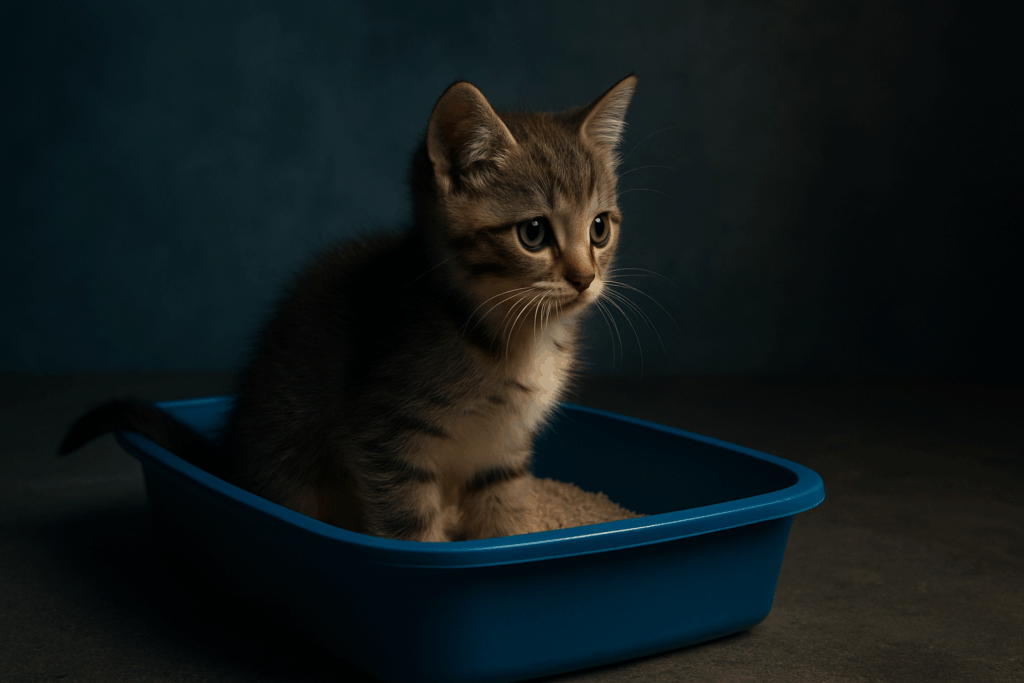
Start Early, But Not Too Early
Litter box training sets the tone for a kitten’s future behavior, and getting the timing right matters. The sweet spot to begin is around 3 to 4 weeks old. That’s when kittens naturally start weaning and exploring and when they can begin to control their elimination habits. Any earlier, and they’re likely not physically ready. Any later, and you risk missing the window when habits form fast and stick hard.
A kitten that’s ready to learn will start showing signs: walking more steadily, sniffing around after meals, even pawing at soft surfaces. When you notice these cues, that’s your green light. Training at the right time isn’t just about cleanliness it builds confidence and helps prevent long term litter issues. Go too soon, and you’ll frustrate both of you. Wait too long, and bad habits may settle in.
The goal is to make litter use second nature before curiosity turns into confusion.
Choosing the Right Litter Box
The best litter box for a kitten is simple: low sided, easy to enter, and unassuming. Skip anything too tall or deep; kittens have short legs, and a box that’s hard to climb into is one they might avoid. Go for a small, open tray style box something without a lid or high walls. Make it feel like a safe pit stop, not an obstacle.
Covered litter boxes might seem cleaner or more private, but for kittens, they can be intimidating. The enclosed space can trap odors and make them feel cornered. An uncovered box gives your kitten a clear view and easy escape routes, which translates to confidence and less stress. Once they’re older and fully trained, you can experiment with other styles. But in the early stages, open and accessible beats fancy and hidden.
Placement matters, too. Put the box in a calm, quiet part of your home away from food bowls, busy foot traffic, and noisy appliances. The goal is to make it easy to find but not front and center. A predictable, peaceful spot helps create routine and builds trust. Bottom line: keep it low, open, and easy to reach. The rest follows.
Picking the Right Litter
Not all litters are created equal especially when you’re training a kitten. Choosing the safest and most appealing litter can be the difference between success and setbacks during early training.
Litter Types: Pros and Cons
When it comes to materials, there are two popular choices to consider:
Unscented Clumping Clay Litter
This type is easy to scoop and great for monitoring your kitten’s bathroom habits. However, make sure it’s a low dust formula to avoid respiratory irritation.
Natural Alternatives (e.g., pine, wheat, paper)
These are biodegradable and gentler on the environment. They’re often a better option for kittens with sensitive paws or pet parents concerned about synthetic ingredients.
Avoid Harsh Additives
What smells clean to humans can overwhelm a kitten’s sensitive nose. Strongly scented litters or those with chemical odor masking agents can deter your kitten from using the litter box altogether.
Skip artificial fragrances or deodorizers
Check the ingredient list for non toxic components
Choose vet recommended formulas when in doubt
Why Texture Matters
Texture isn’t just a matter of preference it’s about comfort. Kittens are more likely to use a litter box that feels soft and familiar underfoot.
Fine grain textures often mimic natural sand or soil, encouraging use
Large, coarse pellets may feel uncomfortable and cause avoidance behaviors
Test 1 2 types if you’re unsure most kittens will show a clear favorite quickly
Understanding your kitten’s preferences and sensitivities will help create a stress free, consistent litter box experience from the start.
How to Train with Consistency

Kittens aren’t born litter trained, but they’re quick learners when you set them up right. The key is calm, consistent guidance and zero yelling. Positive reinforcement sounds fancy, but it’s simple: when your kitten uses the box, you let them know they nailed it. Offer soft praise, gentle petting, or a treat right after. Timing matters don’t wait five minutes. Reward them the second they finish.
After meals or naps, pick them up and place them gently in the litter box. Most kittens have a natural instinct to go after these moments. You’re not forcing them you’re giving them the chance to succeed. If they hop out without doing anything, don’t stress. Just keep the routine.
Accidents will happen. When they do, clean the area thoroughly with an enzymatic cleaner to remove the scent. Don’t rub their nose in it or raise your voice. That creates fear, not learning. Move on quickly, and stick to the plan: feed, play, box, repeat. With time, your kitten will lock into the rhythm and the box will become a habit, not a chore.
Common Setbacks and How to Solve Them
Accidents in the Wrong Place: What They Mean
Occasional accidents are normal, but a pattern signals a breakdown somewhere. Most often, it’s environmental not defiance. Maybe the box isn’t clean enough. Maybe the location feels unsafe. Some kittens are picky about litter type or box size. Observing when and where accidents occur gives you clues like a sudden dislike for a certain room or spot. Don’t punish. Investigate.
Fear of the Litter Box: Causes & Solutions
If a kitten is avoiding the box entirely, fear may be in play. Loud noises, aggressive pets, or even a painful past experience can all trigger avoidance. Also, if the box is near major foot traffic or noisy appliances, that’s a red flag. The fix? Move the box to a quieter, more private spot. Choose a low sided, open box so it doesn’t feel like a trap. Give the kitten time rushing only adds stress.
When to Consider a Vet Check (Medical vs. Behavioral)
Sometimes it’s not about training at all. Frequent accidents, straining, vocalizing in the box, or blood in the urine are all signs something deeper is wrong. Don’t guess get a vet involved. Ruling out (or treating) issues like urinary tract infections, bladder inflammation, or digestive troubles can make all the difference. Behavior won’t improve if the root cause is physical, so don’t delay medical input when things don’t add up.
Training Tips Backed by Behavior Basics
Training a kitten to use the litter box isn’t just about repetition it’s about reading the cat in front of you. Cats are constantly communicating through body language, and understanding these cues is critical when things aren’t going as planned. A tail held low, flattened ears, or sudden hiding can signal stress. If your kitten avoids the litter box, this might not be a training failure it could be their way of saying something isn’t right.
Environment plays a bigger role than most expect. Placing the box near loud appliances, high traffic areas, or in spots with poor ventilation can make even the best trained kitten rethink their routine. Privacy, cleanliness, and easy access matter more than fancy litter or high tech boxes.
At the core of good training is trust. You’re not just teaching behavior you’re building a routine your kitten feels safe with. Gentle repetition, patience, and rewards go much further than frustration. Corrections should guide, not punish. Over time, trust builds behavior that sticks.
For more on positive reinforcement with pets, see How to Teach Your Pet Basic Commands and Behaviors.
Keeping the Box Kitten Ready
Scoop the litter box at least once a day twice is better if you’re home and your kitten is using it regularly. A clean box cuts down on odor, but more importantly, it keeps your kitten coming back. Cats are picky, and a dirty box is one of the fastest ways to derail training. Fully change out the litter and clean the box with mild soap and warm water once a week. Skip anything with bleach, citrus, or heavy scents. They might smell fresh to you, but they’re a hard no for most cats.
As your kitten grows, reassess the setup. A box that was easy to climb into at 8 weeks can feel cramped or awkward at 6 months. Rule of thumb: the litter box should be about 1.5 times as long as your kitten from nose to tail. If you see a sudden drop in litter box use, size may be the issue. Transitioning to a larger or deeper box as your kitten hits growth spurts can help avoid new accidents and keep things comfortable.
No need to overcomplicate it keep it clean, make space for growth, and avoid creating negative associations. Your kitten will do the rest.
Making Good Habits Stick
Litter box training isn’t a one and done step it’s an ongoing process that requires consistency and attention to your kitten’s development. Once your kitten gets the hang of it, your goal shifts to reinforcing that routine, even as they grow and your home environment changes.
Reinforcing Positive Behavior Over Time
Even after your kitten is successfully using the litter box, it’s important to continue encouraging those good habits.
Keep the litter box clean and appealing at all times
Offer praise or a gentle pet when your kitten uses the box correctly
Stay consistent avoid sudden changes in location, litter type, or box style
Gradual reinforcement helps those behaviors become instinctive and long lasting.
Exploring Beyond One Room? Take It Slow
Introducing your kitten to new spaces can be exciting, but overwhelming if not done with care. It’s essential to help your kitten associate litter boxes with each area of exploration.
Tips for expanding their environment:
Move room to room at a gradual pace don’t offer full home access too soon
Place a temporary litter box in the new area if your kitten is spending significant time there
Monitor for signs of confusion or hesitation, and gently guide them to the nearest box if needed
Consistency is key. Help your kitten understand that regardless of the room, the rules stay the same.
Managing Training During Stressful Moments
Stressful events like moving, vet visits, or hosting guests can easily disrupt your kitten’s litter box habits. These moments require extra patience and a proactive approach.
Here’s how to maintain consistency:
Keep the litter box in a familiar location, even during travel or temporary setups
Avoid introducing new litter types or box styles during high stress periods
Provide a quiet, stress free area where your kitten feels safe to relieve themselves
Short term setbacks are normal during transitions. With steady support and routine, your kitten will adapt and return to healthy habits.
Final Thought
Training a kitten is an act of trust and repetition. By reinforcing good behaviors and supporting them through transitions, you’re setting your feline up for a lifetime of confident, healthy habits.
 Zyvaris Vandell writes the kind of health and nutrition for pets content that people actually send to each other. Not because it's flashy or controversial, but because it's the sort of thing where you read it and immediately think of three people who need to see it. Zyvaris has a talent for identifying the questions that a lot of people have but haven't quite figured out how to articulate yet — and then answering them properly.
They covers a lot of ground: Health and Nutrition for Pets, Pet Care Tips and Advice, Pet Product Reviews, and plenty of adjacent territory that doesn't always get treated with the same seriousness. The consistency across all of it is a certain kind of respect for the reader. Zyvaris doesn't assume people are stupid, and they doesn't assume they know everything either. They writes for someone who is genuinely trying to figure something out — because that's usually who's actually reading. That assumption shapes everything from how they structures an explanation to how much background they includes before getting to the point.
Beyond the practical stuff, there's something in Zyvaris's writing that reflects a real investment in the subject — not performed enthusiasm, but the kind of sustained interest that produces insight over time. They has been paying attention to health and nutrition for pets long enough that they notices things a more casual observer would miss. That depth shows up in the work in ways that are hard to fake.
Zyvaris Vandell writes the kind of health and nutrition for pets content that people actually send to each other. Not because it's flashy or controversial, but because it's the sort of thing where you read it and immediately think of three people who need to see it. Zyvaris has a talent for identifying the questions that a lot of people have but haven't quite figured out how to articulate yet — and then answering them properly.
They covers a lot of ground: Health and Nutrition for Pets, Pet Care Tips and Advice, Pet Product Reviews, and plenty of adjacent territory that doesn't always get treated with the same seriousness. The consistency across all of it is a certain kind of respect for the reader. Zyvaris doesn't assume people are stupid, and they doesn't assume they know everything either. They writes for someone who is genuinely trying to figure something out — because that's usually who's actually reading. That assumption shapes everything from how they structures an explanation to how much background they includes before getting to the point.
Beyond the practical stuff, there's something in Zyvaris's writing that reflects a real investment in the subject — not performed enthusiasm, but the kind of sustained interest that produces insight over time. They has been paying attention to health and nutrition for pets long enough that they notices things a more casual observer would miss. That depth shows up in the work in ways that are hard to fake.