
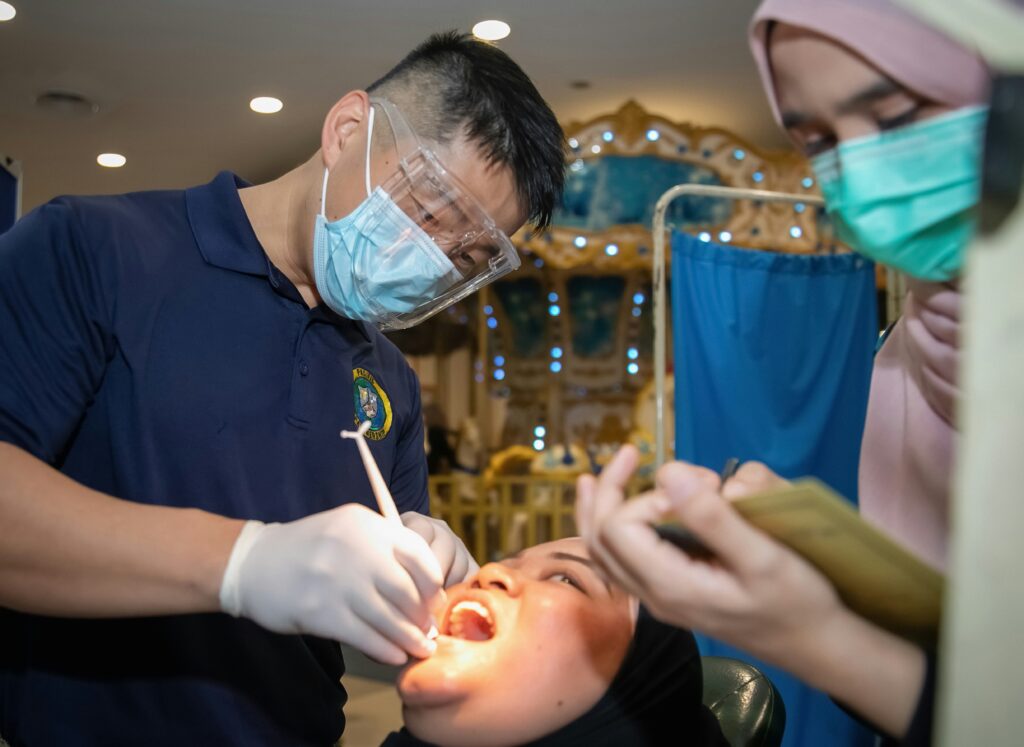
Why Pet Dental Care Matters More in 2026
Pet dental care has moved far beyond just a cosmetic concern it’s a core part of your pet’s overall health. Neglecting oral hygiene can lead to serious medical issues that go well beyond the mouth.
How Dental Disease Impacts the Body
Untreated dental problems in pets can trigger widespread health complications. Bacteria from the mouth can enter the bloodstream and affect major organs.
Infections: Gum disease leads to bacterial buildup, which can cause infections that spread to other areas
Heart disease: Studies link poor oral hygiene with bacterial endocarditis, an infection of the heart’s lining
Kidney and liver damage: Over time, chronic dental issues may strain these vital organs, contributing to long term dysfunction
Signs Your Pet May Have Dental Problems
Your pet may not be able to tell you they’re in pain, but there are key red flags to watch for:
Bad breath that doesn’t go away
Drooling or discomfort during eating
Bleeding or inflamed gums
Pawing at the mouth
Reduced appetite or changes in chewing behavior
Annual Checkups: More Than Just a Cleaning
A yearly dental exam is no longer optional. Regular veterinary exams help catch problems early before they become costly or life threatening.
Professional cleanings remove plaque and tartar you can’t reach at home
Routine checkups may include dental X rays to assess oral health beneath the gumline
Preventive care ensures your pet maintains overall wellness and avoids conditions that could shorten their lifespan
Dental disease is both preventable and treatable but only if you’re paying attention. By recognizing the importance of annual care and daily habits, you’re setting your pet up for a healthier, happier life.
Daily Habits That Make a Big Difference
Brushing your pet’s teeth isn’t optional it’s essential. Aim for 2 3 times per week, but if your schedule allows for daily, even better. Use a pet specific toothbrush (smaller head, softer bristles) and toothpaste made for animals never human products. Training your pet takes patience. Start slow: finger brushes, short sessions, and lots of praise. Most dogs learn to tolerate it; some even enjoy it.
Chew toys and dental treats flood the shelves, but not all of them work. Look for products approved by the Veterinary Oral Health Council (VOHC). A good chew will reduce plaque without breaking teeth or turning into a choking hazard. Skip anything too hard, too sugary, or too gimmicky.
Water additives and mouth sprays sit in a gray zone. Some help with bacteria and breath, others are just flavored water. Ingredients like chlorhexidine and zinc can offer benefits but don’t expect miracles. Think of them as backup players, not your starting lineup. The real power still lies in the brush and the chew.
Diet’s Role in a Healthy Mouth
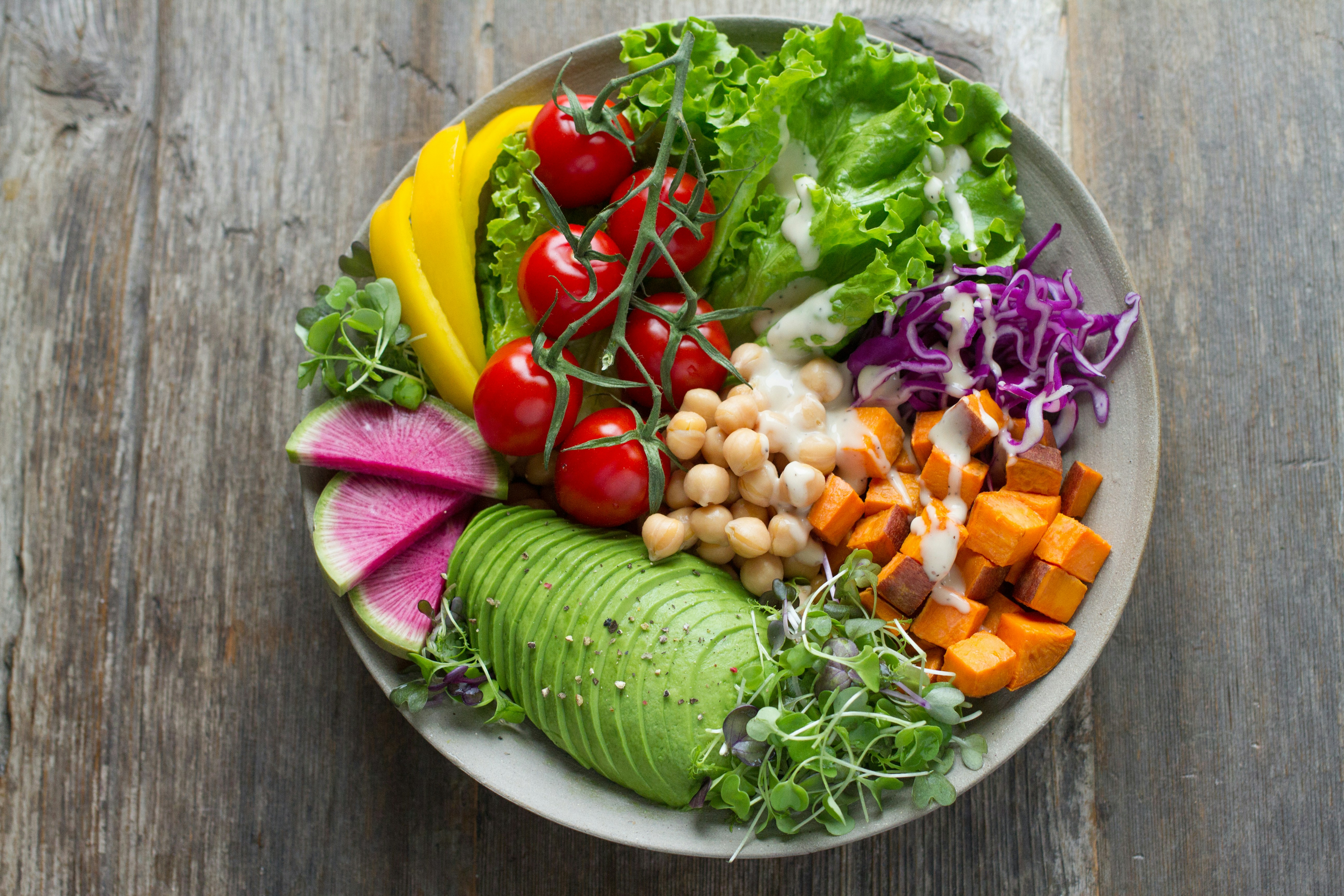
When it comes to dental health, what your pet eats isn’t just fuel it’s frontline defense. One of the biggest debates? Wet vs. dry food. Dry kibble has a clear edge when it comes to physical cleaning. The crunch acts like a toothbrush of sorts, helping scrape away soft tartar before it hardens into plaque. Wet food, on the other hand, tends to stick to teeth and doesn’t offer the same mechanical benefits. That said, it can be necessary for dogs with dental pain or older pets with missing teeth.
Chewing is key. The more your dog chews, the less likely tartar builds up. That’s why mixing in proper dental chews or textured kibble can make an impact. Same logic applies to chew toys just make sure they aren’t too hard. Cracked teeth from overly tough bones or antlers are more common than most owners realize.
A Balanced Diet for Dogs isn’t just about proteins and fats it affects the mouth too. Nutrient rich food supports gum health and strengthens the immune system, acting as backup in the fight against oral bacteria. It’s also smart to steer clear of sugary snacks, cooked bones (especially poultry), and human foods that get mistakenly labeled as treats. Grapes, onions, and anything with xylitol? Big no.
Bottom line: your dog’s diet is either helping their dental health or quietly making it worse. Choose accordingly.
When It’s Time to See a Vet
When your pet needs more than a toothbrush and a chew toy, it’s time to talk to the vet. Dental cleanings under anesthesia are pretty standard now and, despite sounding intimidating, they’re safe and necessary for a full mouth checkup. Here’s what to expect: your pet will be sedated so the vet can clean above and below the gumline places a toothbrush can’t reach. This is the only way to fully remove plaque and tartar that could lead to serious infection.
In many cases, vets will take dental X rays during the procedure. Just like in people, they help catch issues hiding under the surface like root abscesses or bone loss. If teeth are broken, loose, or infected, extractions may be needed. It’s not ideal, but leaving a painful tooth in place does a lot more harm. A full dental workup is worth it if your pet has chronic bad breath, isn’t chewing normally, or just hasn’t had a comprehensive oral exam in years.
Picking the right clinic matters. Ask about how they monitor anesthesia. Make sure dental X rays are part of the process. Ask what kind of pain management they use post procedure. If you’re met with vague answers or dismissive attitudes about dental care, look elsewhere. A good clinic takes pet oral health seriously and won’t rush you through questions that matter.
Bottom line: if your vet recommends a dental cleaning, don’t put it off. It’s not cosmetic it’s healthcare.
Smarter Dental Choices for Long Term Health
Fresh breath and clean teeth don’t happen by chance. A weekly dental care routine isn’t just a good idea it’s key to avoiding bigger health problems down the line. The good news? It doesn’t have to be complicated.
Start by setting a fixed day or two each week where you focus on your pet’s oral health. Keep it short five minutes can be enough. Combine brushing with rewards so your pet actually looks forward to the routine. Build patience if they’re not used to it consistency is your best ally.
Now, the gear. Don’t skimp. A soft bristled toothbrush made for pets or a silicone finger brush gets the job done without stressing gums. Add a vet approved dental gel flavored options like poultry can make things easier. Forget human toothpaste; it’s not safe for pets.
2026 means no excuses: there are plenty of apps that remind you when it’s time to brush. From PetDesk to PawTrack, they’ll ping you, log routines, and send vet reminders, too. Set alerts, track wins, and treat yourself (and your pet) for sticking with it.
Dental care is marathon work but each habit you build stacks up. Start small, stay steady, and in a few months, your pet’s mouth will thank you.
Keep the Tail Wagging and the Teeth Sparkling
Clean teeth do more than freshen breath they keep your pet healthier for longer. Good dental hygiene helps prevent bacteria from entering the bloodstream, where it can damage organs like the heart and kidneys. In simple terms: taking care of the mouth boosts your pet’s chances of a longer, pain free life.
Consistency is everything. Skipping a week might not seem like a big deal, but it adds up fast. Unchecked plaque turns into tartar, and tartar means professional cleanings, extractions, or worse. A few minutes today can spare your pet discomfort and you surprise vet bills down the line.
If you’re wondering when to care, the answer is now. Build habits early, stick with them, and be the kind of pet parent who acts before there’s a problem. One small routine could mean years of wagging tails and happy licks.