
You just moved into a studio apartment. Or your work schedule changed again. Or you’re tired of feeling guilty every time you leave your dog alone for eight hours.
I’ve been there.
And I’ve watched too many people pick the wrong pet (then) scramble to rehome it six weeks later.
Indoor Pets Lwmfpets aren’t just small animals you keep inside.
They’re species and breeds that actually thrive indoors (no) compromises on welfare, no hidden stress triggers, no surprise behavioral explosions.
I don’t trust brochures. I trust vet wellness data. I trust behavior science.
I trust what real owners tell me after three years. Not three days.
Most pet guides pretend size is the only factor. It’s not. Temperament matters more.
Space needs are overrated. Enrichment fit? That’s everything.
This isn’t about picking a pet.
It’s about picking the right one. One that matches how you live, not how someone thinks you should live.
I’ll walk you through the exact traits that matter. No fluff. No guesswork.
Just clear, evidence-based criteria (and) the animals that meet them.
Indoor Pets That Actually Thrive Inside
I kept a leopard gecko for seven years. Not in a backyard. Not in a shed.
On my desk, under a heat lamp, eating crickets like it was the most normal thing in the world.
That’s because it is normal. For them.
Leopard geckos belong indoors. Their skin can’t handle UV exposure like other lizards. Outdoor temps drop fast.
One cool night? They shut down. Thermal gradients are non-negotiable. Skip the gradient, and you’ll get lethargy, refusal to eat, impaction.
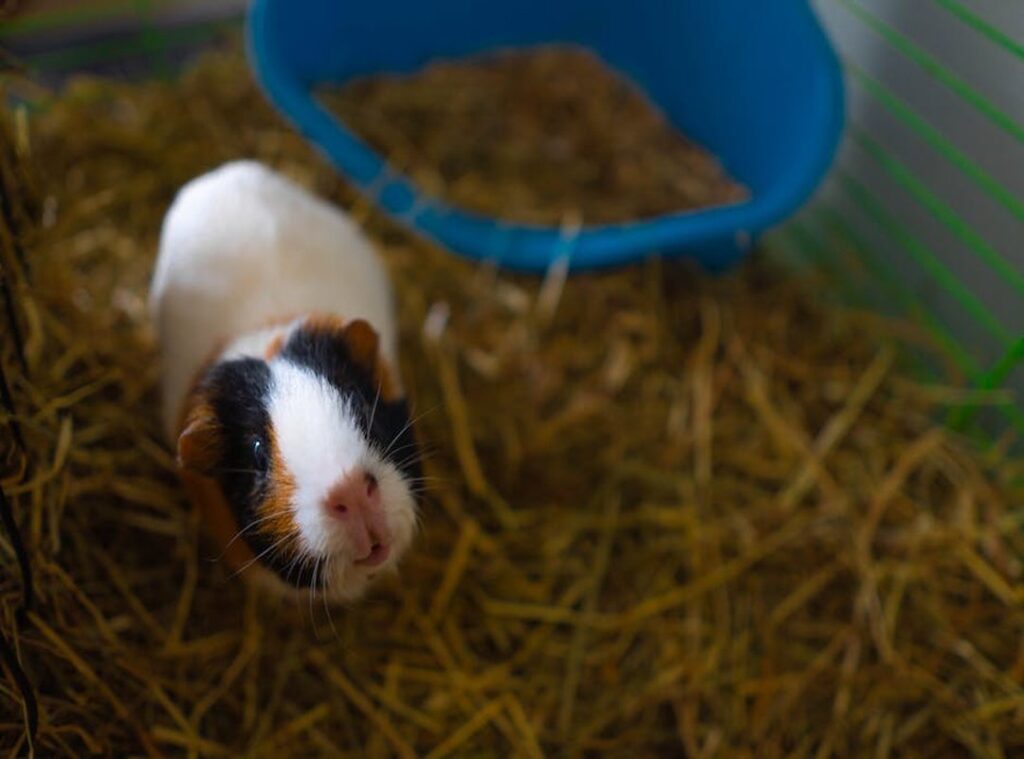
Guinea pigs? Same energy. They’re loud enough to hear but quiet enough to live in an apartment.
Put one outside and a hawk takes it. Or worse. You forget the hutch isn’t insulated.
RSPCA says they must be housed in pairs. Never alone. Loneliness hits them hard.
Dwarf hamsters need tiny space. A 20-gallon tank works. But take them outside?
They bolt. Fast. And vanish.
Their instinct is to flee, not explore. AVMA confirms: escape risk is high, stress is immediate.
Senior cats? They’ve earned indoor-only status. No more climbing fences or tangling with tomcats.
Their immune systems slow down. A single flea bite can send them into decline.
Domestic rabbits surprise people. Yes, they can live outside. But shouldn’t.
Predators, parasites, temperature swings. All real threats. Indoor rabbits live longer.
Period.
You want calm, predictable, low-risk companions? Start with Lwmfpets. That’s where I go first when someone asks, “What pet won’t wreck my sanity?”
Indoor Pets Lwmfpets means choosing wisely (not) just what fits your couch, but what fits their biology.
What “Indoor-Only” Really Means: No Excuses, No Exceptions
I’ve watched too many pets suffer because someone thought “indoor” meant “low effort.”
It doesn’t.
A hamster cage under 450 square inches? That’s not a home. It’s a sentence.
(Mine came with a vet bill after three weeks of pacing.)
Rabbits need 12 square feet minimum (and) yes, that includes floor space plus vertical height for hopping. Not just a wire-bottom hutch. Wire floors shred their feet.
Substrate matters. Cedar shavings? Toxic.
Pine? Still risky. Paper-based or aspen only.
I switched after my guinea pig started sneezing nonstop.
Enrichment isn’t optional. Foraging is daily. Hide pellets in shredded paper.
I go into much more detail on this in Pet tips lwmfpets.
Tunnels must be chew-safe (no) painted cardboard or glue residue. And yes, even solitary animals need human contact. Hamsters?
Two 5-minute handling sessions per day. if they’re calm and breathing normally. If they freeze or bite, you’re moving too fast.
Cats aren’t self-sufficient just because they lick themselves. 60% of indoor cats develop dental disease by age 3. (Source: AVMA, 2022.) And “small animals don’t need vets”? Wrong. 42% of rabbit ER visits are preventable.
Abscesses, GI stasis, overgrown teeth. All tied to poor diet or habitat.
Daily care is non-negotiable.
Feed. Clean water. Observe behavior.
That’s your baseline.
Indoor Pets Lwmfpets means responsibility (not) convenience.
Skip the checklist. Just do those three things. Every.
Single. Day.
Which Indoor Pet Actually Fits Your Life?

I’ve seen too many people bring home a chattering parrot (then) panic when it screams at 6 a.m. in their studio apartment.
Time-Limited Professional? Skip dogs. Go for a low-maintenance cat or mature rescue rabbit.
They don’t need walks. They won’t guilt-trip you for working late. (Yes, rabbits can be litter-trained.)
Family with Young Kids? A calm, tolerant guinea pig works. Not a fragile hamster.
Not a skittish reptile. Kids drop things. Guinea pigs handle gentle handling (and) they’re loud enough to notice when something’s wrong.
Retiree Seeking Calm Connection? Older cats or senior-friendly rats. Rats bond fast, groom themselves, and don’t demand constant stimulation.
Avoid high-energy birds or puppies. You want quiet companionship. Not circus rehearsal.
First-Time Pet Owner? Start with a leopard gecko. Solid temperament.
Minimal setup. No vet bills for the first two years. Rule out anything that needs daily misting, live food, or temperature swings.
If your top priority is silence, rule out budgies and Siamese cats.
If your home has no space for a large enclosure, prioritize small mammals over ferrets or rabbits.
Impulse adoption kills long-term welfare. That “cute” kitten you grabbed at the shelter? It might be stressed, under-socialized, or genetically prone to anxiety.
Indoor pets need stability. Not novelty.
For practical, no-fluff guidance on matching behavior and care needs, check out Pet Tips Lwmfpets.
Indoor Pets Lwmfpets isn’t about what looks right. It’s about what lasts. And survives your real life.
Ethical Pet Ownership Isn’t Optional
I’ve walked into too many “rescues” that smell like puppy mills with better lighting.
Reputable breeders show you health records (not) just a printed sheet, but vet contact info you can call. They let you meet the parents. They ask you questions.
And they have a written return policy. No vague “we’ll take them back if it doesn’t work out.”
Mass suppliers? They’ll hand you a cage and a smile. That’s your first red flag.
Rabbits live 8. 12 years. Not “up to 12.” Not “average 9.” Your rabbit in year 7 needs dental x-rays, softer hay, and twice-yearly checkups. Vet bills jump.
Fast.
That’s why I track costs in a spreadsheet. You should too. (Pro tip: start before you bring them home.)
Three quiet red flags: repetitive pacing, hiding for >12 hours straight, or refusing food when you’re in the room.
If you see one. Stop. Call a vet today.
Don’t wait for “maybe it settles.”
Also (check) your city’s exotic pet laws. Ferrets? Legal in Chicago.
Banned in NYC. Even indoors.
None of this is theoretical. I learned it the hard way.
For more on realistic care expectations for Indoor Pets Lwmfpets, see the Lwmfpets indoor pets guide.
Choose Confidently. Start Your Indoor Companion Journey Today
I’ve seen too many people bring home a new animal and realize. Too late (that) the space, time, or ethics weren’t aligned.
This isn’t about convenience. It’s about Indoor Pets Lwmfpets thriving with you (not) just surviving in your living room.
Species suitability. Habitat integrity. Lifestyle alignment.
Ethical commitment. You now know what actually matters. Not cute photos.
Not breeder promises. Real ground rules.
You’re not waiting for perfect conditions.
You’re building them.
That 1-page Readiness Checklist? Download it. Sketch it.
Fill it out before you call any shelter or breeder.
It stops impulse decisions. It surfaces hidden mismatches. It’s the most honest thing you’ll do before saying yes.
The right companion isn’t waiting for perfect conditions. They’re waiting for thoughtful preparation.
Download the checklist now.
 There is a specific skill involved in explaining something clearly — one that is completely separate from actually knowing the subject. Norah Porteranaz has both. They has spent years working with training techniques and guides in a hands-on capacity, and an equal amount of time figuring out how to translate that experience into writing that people with different backgrounds can actually absorb and use.
Norah tends to approach complex subjects — Training Techniques and Guides, Animal Behavior Insights, Pet Product Reviews being good examples — by starting with what the reader already knows, then building outward from there rather than dropping them in the deep end. It sounds like a small thing. In practice it makes a significant difference in whether someone finishes the article or abandons it halfway through. They is also good at knowing when to stop — a surprisingly underrated skill. Some writers bury useful information under so many caveats and qualifications that the point disappears. Norah knows where the point is and gets there without too many detours.
The practical effect of all this is that people who read Norah's work tend to come away actually capable of doing something with it. Not just vaguely informed — actually capable. For a writer working in training techniques and guides, that is probably the best possible outcome, and it's the standard Norah holds they's own work to.
There is a specific skill involved in explaining something clearly — one that is completely separate from actually knowing the subject. Norah Porteranaz has both. They has spent years working with training techniques and guides in a hands-on capacity, and an equal amount of time figuring out how to translate that experience into writing that people with different backgrounds can actually absorb and use.
Norah tends to approach complex subjects — Training Techniques and Guides, Animal Behavior Insights, Pet Product Reviews being good examples — by starting with what the reader already knows, then building outward from there rather than dropping them in the deep end. It sounds like a small thing. In practice it makes a significant difference in whether someone finishes the article or abandons it halfway through. They is also good at knowing when to stop — a surprisingly underrated skill. Some writers bury useful information under so many caveats and qualifications that the point disappears. Norah knows where the point is and gets there without too many detours.
The practical effect of all this is that people who read Norah's work tend to come away actually capable of doing something with it. Not just vaguely informed — actually capable. For a writer working in training techniques and guides, that is probably the best possible outcome, and it's the standard Norah holds they's own work to.