
I remember the first kitten I brought home. I was so excited I forgot to buy food.
You’re probably feeling a mix of excitement and panic right now. That’s normal. Raising a kitten isn’t hard, but there are things you need to get right from day one.
Here’s the truth: most kitten care advice online is either too basic or way too complicated. You don’t need a PhD in feline behavior. You just need to know what actually works.
I’ve raised and fostered more kittens than I can count over the past decade. I’ve seen what works and what doesn’t. I’ve also learned which vet-approved techniques make the biggest difference in those first few months.
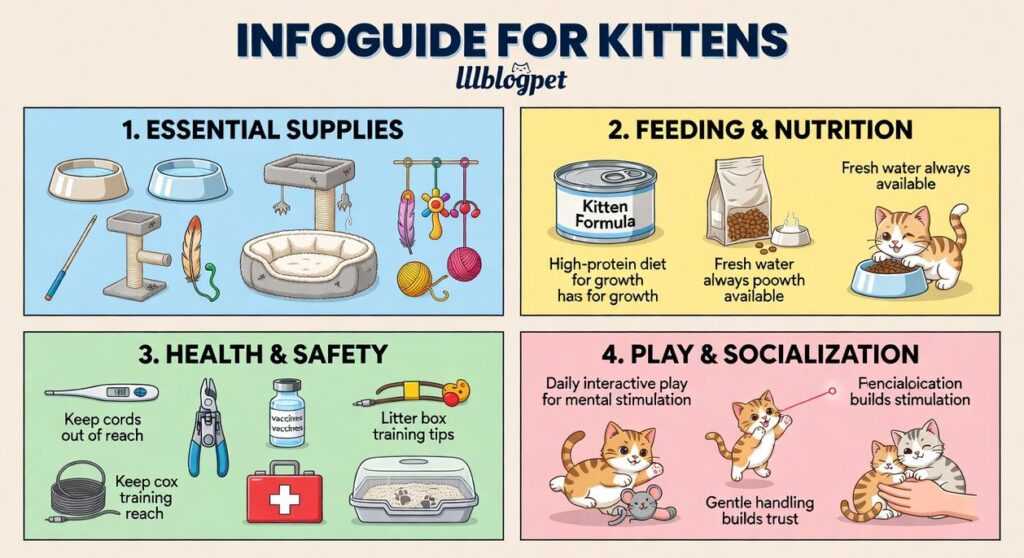
This infoguide for kittens llblogpet covers everything from the moment you walk through the door with your new kitten to their first vet visit. Feeding schedules, litter training, socialization, health checks. All of it.
You’ll learn how to set up their space, what to feed them (and when), and how to spot early warning signs that something’s wrong.
No fluff. Just the practical stuff that helps your kitten grow into a healthy, well-adjusted cat.
By the end of this guide, you’ll know exactly what to do and when to do it. The guesswork? Gone.
The First 48 Hours: Creating a Safe and Welcoming Kitten Zone
Your new kitten is coming home.
You’re excited. Maybe a little nervous. And you’ve probably already taken about fifty photos of the empty spot where they’ll sleep.
But here’s what most people get wrong.
They think kittens need the whole house right away. Like some kind of grand tour on day one.
That’s a recipe for a terrified furball hiding under your couch for a week.
The Base Camp Method
I always tell people to start small. Pick one quiet room. A bathroom works great (just make sure the toilet lid stays down because kittens are weirdly curious about plumbing).
This is their safe zone for the first couple days. Not a prison. Think of it more like a cozy hotel room where they can decompress.
What You Actually Need
Keep it simple. A small litter box that they can actually climb into. Food and water bowls on opposite sides of the room because nobody wants to eat next to their bathroom.
A soft bed or blanket. A couple toys that won’t freak them out.
That’s it. You don’t need the deluxe cat mansion yet.
Kitten-Proofing 101
Before they arrive, get down on the floor. Seriously. Crawl around like you’re the kitten (your family will think you’ve lost it but whatever).
What can they chew? Electrical cords need to go. What can they eat? Toxic plants have to move. What can they swallow? Anything smaller than a grape is a hazard.
For more detailed infoguide for kittens llblogpet, check our complete resource.
The Slow Introduction
Let them set the pace. Some kittens bounce out of the carrier ready to conquer. Others need an hour just to peek out.
Both are normal.
When introducing family members, keep it calm. No sudden movements. No excited squealing (I know it’s hard). And if you have other pets? That’s a whole separate conversation that needs patience. When navigating the delicate process of introducing new family members to your home, remember that patience is key, and for further insights, you can always turn to Pet Advice Llblogpet for expert tips on managing the dynamics between your pets. When navigating the delicate process of introducing new family members to your home, especially if you have other pets, it’s essential to follow the thoughtful guidelines provided by Pet Advice Llblogpet to ensure a harmonious transition.
Give them 48 hours in their base camp. Then slowly expand their territory.
Kitten Nutrition 101: Fueling Healthy Growth (0-4 Months)
Your kitten needs the right fuel to grow.
Not just any food. The right food at the right times.
I see people grab whatever kitten food is on sale and hope for the best. Then they wonder why their little one has stomach issues or isn’t growing like they should.
Here’s what actually matters.
Wet vs. Dry Food: What Works Better?
Some folks swear by dry kibble. It’s convenient and you can leave it out all day.
But here’s the problem with that approach for young kittens.
Wet food gives them hydration they desperately need. Kittens between 0-4 months have tiny bodies that dehydrate fast. A quality wet formula designed for kittens packs more moisture and protein per serving than dry food ever will.
Does that mean dry food is useless? Not exactly.
You can mix both. I’ve seen plenty of healthy kittens thrive on a combo. Just make sure whatever you choose says “kitten formula” on the label. Adult cat food won’t cut it (their nutritional needs are completely different).
Feeding Schedule That Actually Works
Feed your kitten 3-4 small meals throughout the day.
Their metabolism runs hot and their stomachs are small. One or two big meals will leave them either starving or throwing up.
Space meals about 4-6 hours apart. Keep portions small. If you’re using the Infoguide for Kittens Llblogpet, you’ll find portion sizes based on weight.
What to Keep Away From Your Kitten
Never give a weaned kitten regular milk. They can’t digest it properly and you’ll be cleaning up diarrhea for days.
Skip these too: onions, garlic, chocolate, grapes, and anything with artificial sweeteners.
Is Your Kitten Drinking Enough?
Fresh water should always be available.
Check their gums. Press gently and release. The color should return in under two seconds. If it takes longer, they might be dehydrated.
Watch their energy too. A hydrated kitten is active and playful.
Socialization and Play: Building a Confident, Well-Behaved Cat
Think of a kitten’s brain like wet cement.
Between 3 and 9 weeks of age, everything they experience gets permanently imprinted. That’s your window. Miss it and you’re working twice as hard later to fix what could’ve been easy.
I see people wait until their kitten is 12 weeks old to start socializing. By then, the cement’s already dry.
The Foundation Period
During those early weeks, your kitten needs positive experiences. Not overwhelming ones. Gentle handling. New sounds at low volume. Different people holding them carefully. Just as kittens require gentle handling and positive experiences during their early weeks, pet owners can also benefit from insightful resources like Llblogpet Advice for Dogs by Lovelolablog to ensure their furry companions thrive in a nurturing environment. Just as kittens thrive on gentle handling and positive experiences, pet owners can enhance their understanding of canine care through invaluable resources like Llblogpet Advice for Dogs by Lovelolablog.
It’s like teaching someone to swim. You don’t throw them in the deep end. You let them get comfortable with the water first.
Now here’s where most people mess up. They think socialization means exposing their kitten to everything all at once. That’s not confidence building. That’s trauma.
Start small. Let them hear the vacuum from another room. Introduce one new person at a time. Keep sessions short.
Play is where the magic happens though.
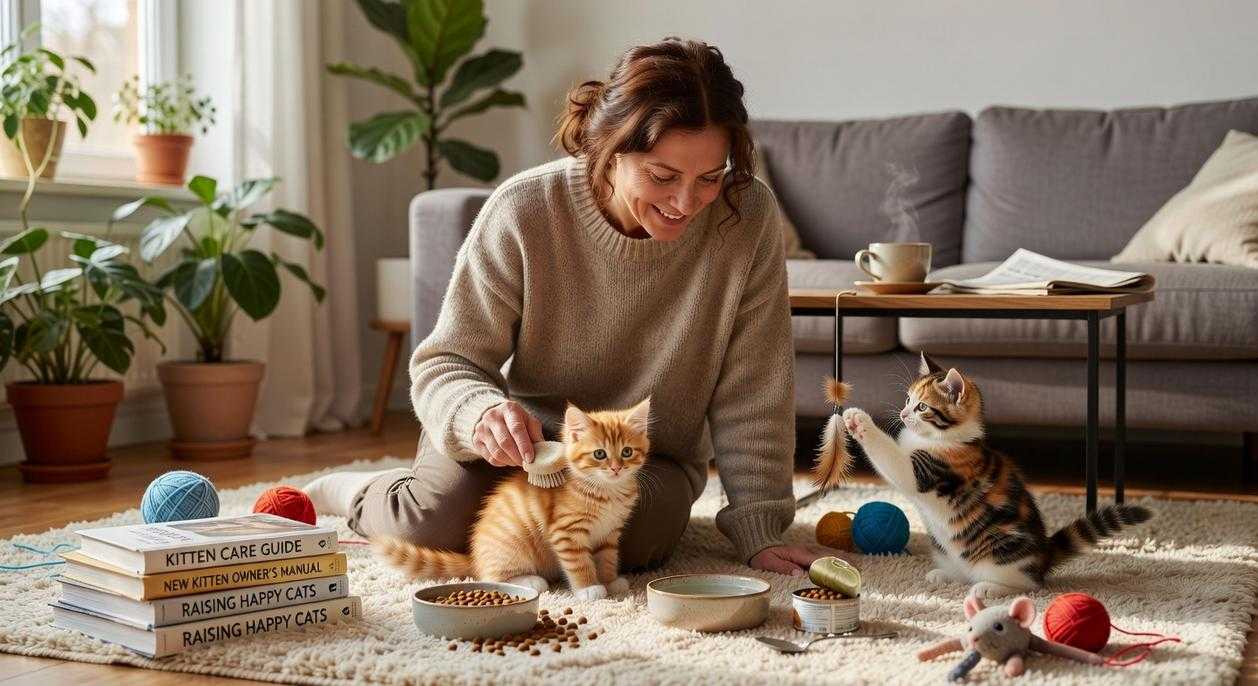
When you use a wand toy (you know, those sticks with feathers or strings attached), you’re doing more than just entertaining your cat. You’re teaching them what’s okay to attack and what isn’t. This is covered in more detail in our infoguide for cats llblogpet.
Cats who don’t get enough interactive play? They start treating your hands like prey. That cute little kitten bite becomes a real problem when they’re full grown.
Choosing the Right Toys
Stick with wand toys and balls they can chase. Avoid anything with small parts they can swallow or long strings they can ingest (because a vet visit for intestinal blockage costs way more than buying proper toys).
Pro tip: Rotate toys every few days. Cats get bored fast.
The goal isn’t to tire them out once. It’s to build a routine where they know play happens with toys, not with your ankles when you walk by.
Health and Wellness: Your Kitten’s First Vet Visit and Beyond
Get your kitten to the vet within the first week of bringing them home.
I know you’re excited to just play and bond with your new furball. But that first check-up matters more than you think.
Here’s what actually happens during that visit.
The vet will do a full physical exam. They’re checking everything from your kitten’s heart and lungs to their teeth and coat. You’ll also get the first round of FVRCP vaccines (that’s feline viral rhinotracheitis, calicivirus, and panleukopenia if you’re curious). Most kittens need deworming too since intestinal parasites are super common.
Your vet will talk about flea and tick prevention. Even if your kitten stays indoors, you still need to think about this.
Now, some people say you can wait on vaccines or skip certain ones entirely. They worry about overloading a tiny kitten’s immune system.
But here’s the reality. Kittens are vulnerable. Those core vaccines protect against diseases that can kill. The risks of skipping them far outweigh any concerns about the vaccines themselves.
Your kitten will need booster shots every three to four weeks until they’re about 16 weeks old. It seems like a lot of vet visits, but each one builds their immunity.
Around five to six months, you’ll want to schedule the spay or neuter procedure. This isn’t just about preventing unwanted litters (though that’s important). Spaying reduces the risk of mammary cancer and eliminates uterine infections. Neutering cuts down on spraying and roaming behavior.
For more guidance on keeping your pets healthy, check out Llblogpet Advice for Dogs by Lovelolablog.
The infoguide for kittens llblogpet approach is simple. Stay on top of preventive care now so you’re not dealing with expensive problems later.
Litter Box Training Made Easy: A Foolproof Method
Most people overcomplicate litter box training.
They buy fancy covered boxes with carbon filters. They try five different litter types. They stress about whether their kitten will “get it.”
Here’s what I’ve learned. Kittens already want to use a litter box. It’s instinct. Your job is just to make it easy for them.
Let me break down what actually works.
Start with the right setup. Get an uncovered box with low sides. Your kitten needs to climb in without doing gymnastics. And skip the scented litter. Go with unscented clumping litter instead. Cats have sensitive noses and artificial fragrances can turn them off completely.
Location matters more than you think.
Put the box somewhere quiet. Not next to the washing machine or in a busy hallway. And keep it away from their food and water bowls (would you want to eat next to your bathroom?).
The infoguide for kittens llblogpet approach is simple. After your kitten eats or wakes up from a nap, gently place them in the box. Don’t force anything. Just let them sniff around and get familiar with it. They’ll figure out the rest. For anyone seeking guidance on nurturing their new furry friend, the insightful tips found in the Pet Advice Llblogpet guide can make all the difference in ensuring a smooth adjustment to their new home. For anyone seeking guidance on nurturing their new furry friend, the invaluable insights provided by Pet Advice Llblogpet can help ensure a smooth transition for your kitten as they acclimate to their new home.
Keep that box clean. Scoop it daily. Cats are naturally clean animals and a dirty box is the fastest way to have accidents around your house.
That’s it. No complicated training schedule or special tricks needed.
Enjoy the Journey of Kittenhood
You now have everything you need to raise a happy kitten.
We covered the big four: safety, nutrition, behavior, and health. These are the building blocks that matter most in those first few months.
I know how overwhelming it feels when you first bring a kitten home. You’re not sure if you’re doing it right. That uncertainty is gone now.
You have a clear plan. Follow these steps and you’re setting your kitten up for a long, healthy life.
Here’s the thing about kittens: they don’t stay small for long. (Seriously, you’ll blink and they’ll be full-grown cats.)
Cherish these early moments. Take the photos. Laugh at the crazy 3am zoomies. Watch them discover their world.
I’d love to hear how it’s going. Share your kitten’s progress in the comments below. What’s working? What surprised you? Let’s help each other out.
Your kitten is lucky to have you. Pet Advice Llblogpet.