
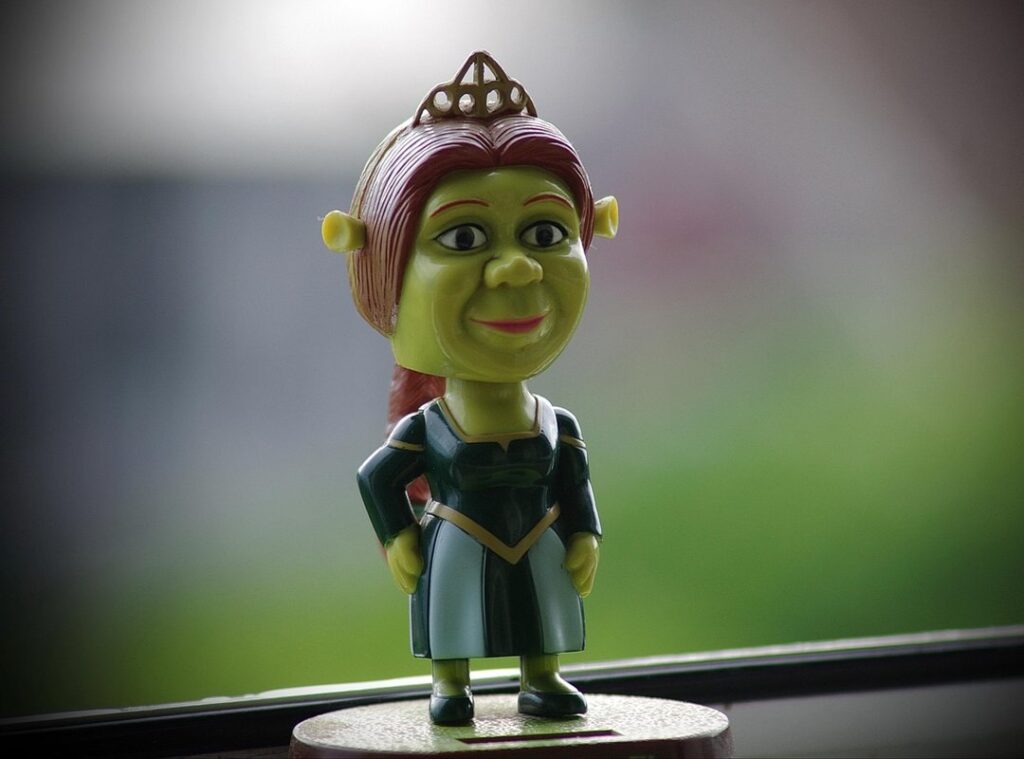
You might be wondering, why are people calling a character from Shrek a manwijf? It’s a good question. Manwijf is a Dutch word that can be a bit tricky to understand.
It often describes a woman who doesn’t fit traditional gender roles—someone who’s more “mannish” or strong-willed.
In this article, I’ll dive into what manwijf really means and which Shrek characters, especially Princess Fiona, it applies to. Why has this label stuck? That’s what we’re here to figure out.
If you’re curious about this pop culture crossover, stick around. I’ll break it down in a way that makes sense, even if you don’t speak Dutch.
What Does the Dutch Word ‘Manwijf’ Actually Mean?
The Dutch word manwijf translates to something like “man-woman” or “mannish woman.” But it’s not just a neutral term. It carries a stronger, often derogatory, connotation.
In the Netherlands and Belgium, manwijf implies coarseness, a lack of femininity, and sometimes physical strength or a domineering personality. It’s not a compliment.
| Term | Definition | Connotation |
|---|---|---|
| Tomboy | A girl who enjoys activities traditionally associated with boys | Neutral to Positive |
| Virago | A loud, aggressive, or bad-tempered woman | Negative |
| Amazon | A tall, strong, and powerful woman | Neutral to Positive |
| Manwijf | A woman perceived as coarse, lacking femininity, and sometimes physically strong or domineering | Negative |
While tomboy can be neutral or even affectionate, manwijf is almost always used critically. For example, you might hear someone say, “Ze is echt een manwijf, altijd zo luidruchtig en bazig,” which means, “She is really a manwijf, always so loud and bossy.”
Here’s where I go against the grain. Some people argue that terms like manwijf are just part of the language and shouldn’t be taken too seriously. But I disagree.
Words have power. They shape how we see each other. Using manwijf isn’t just a casual insult; it reinforces negative stereotypes about women who don’t fit into traditional gender roles.
And let’s be real, calling someone a manwijf shrek (yes, like the ogre) is just plain mean. It’s time we rethink the words we use and the impact they have.
Princess Fiona: The Character at the Heart of the Conversation
When you think about the manwijf shrek label, one character immediately comes to mind: Princess Fiona. Especially in her ogre form, she embodies this term with her formidable fighting skills and unladylike habits.
Take, for example, the iconic “Matrix” scene where she fights off a bunch of Merry Men. She’s not just holding her own; she’s dominating. And let’s not forget her burping contest with Shrek.
It’s clear she’s no damsel in distress.
Fiona’s character arc is a deliberate subversion of fairy tale princess stereotypes. She chooses strength and authenticity over conventional beauty and passivity. In the first film, she takes charge to find a way out of the dragon’s keep.
In Shrek the Third, she leads the other princesses, showing that she’s a natural leader. Llblogpet
Her physical ogre form—larger, stronger, and less delicate than her human form—visually reinforces the “mannish” stereotype. This transformation isn’t just a plot point; it’s a statement. Fiona is more powerful and confident as an ogre, and that’s exactly how she likes it.
| Character Trait | Example from the Films |
|---|---|
| Formidable Fighting Skills | “Matrix” scene in *Shrek* |
| Unladylike Habits | Burping contest with Shrek |
| Leadership | Leading the princesses in *Shrek the Third* |
So, what’s next? You might be wondering how Fiona’s character has influenced other female characters in modern media. Her impact is undeniable, setting a new standard for strong, independent women in animated films.
Beyond Fiona: Other ‘Manwijf’ Figures in the Shrek Universe

When we talk about strong, non-traditional female characters in the Shrek universe, Fiona often steals the spotlight. But let’s not forget about the other women who break the mold.
Take Doris, for example. She’s the “ugly stepsister” bartender at the Poison Apple inn. Her deep voice and imposing physical presence make her a force to be reckoned with.
And her no-nonsense attitude? It’s a clear example of manwijf traits.
Then there’s Queen Lillian, Fiona’s mother. In “Shrek the Third,” she shows her own formidable strength by head-butting through stone walls to help the princesses escape. Talk about a powerful woman!
Even the Fairy Godmother, though villainous, wields immense power. She runs her “business” with an iron fist, defying the gentle, nurturing stereotype.
The Shrek universe is rich with female characters who reject traditional gender roles. This makes it a frequent target for manwijf shrek labeling. These characters show us that strength and power come in many forms.
Why This Label Sticks: Gender Stereotypes in Pop Culture
Let’s talk about the term manwijf and why it’s used for characters like Fiona and Doris. It’s a label that gets slapped on women who show traditionally masculine traits—strength, assertiveness, independence.
But here’s the thing. If a male character showed the same traits, he’d be called a ‘hero’ or a ‘strong leader.’
It’s a double standard, plain and simple. The term manwijf in Shrek reflects a societal pushback against these progressive challenges to outdated gender norms.
While the term is negative, its use for Fiona also highlights her groundbreaking role. She’s a stereotype-defying character in animation, pushing boundaries and redefining what it means to be a strong, independent woman.
The Real Meaning Behind Shrek’s ‘Mannish’ Women
The term manwijf shrek is a derogatory Dutch word for a “mannish woman” that gets applied to Shrek characters like Fiona and Doris. These characters are strong, assertive, and defy feminine stereotypes. This connection stems directly from the films’ central theme of challenging traditional fairy tale roles.
Despite the negative connotation, the label underscores the powerful and memorable impact these characters had on audiences. Understanding this connection provides insight into both a specific piece of foreign slang and the broader cultural conversations about gender in media.
 There is a specific skill involved in explaining something clearly — one that is completely separate from actually knowing the subject. Norah Porteranaz has both. They has spent years working with training techniques and guides in a hands-on capacity, and an equal amount of time figuring out how to translate that experience into writing that people with different backgrounds can actually absorb and use.
Norah tends to approach complex subjects — Training Techniques and Guides, Animal Behavior Insights, Pet Product Reviews being good examples — by starting with what the reader already knows, then building outward from there rather than dropping them in the deep end. It sounds like a small thing. In practice it makes a significant difference in whether someone finishes the article or abandons it halfway through. They is also good at knowing when to stop — a surprisingly underrated skill. Some writers bury useful information under so many caveats and qualifications that the point disappears. Norah knows where the point is and gets there without too many detours.
The practical effect of all this is that people who read Norah's work tend to come away actually capable of doing something with it. Not just vaguely informed — actually capable. For a writer working in training techniques and guides, that is probably the best possible outcome, and it's the standard Norah holds they's own work to.
There is a specific skill involved in explaining something clearly — one that is completely separate from actually knowing the subject. Norah Porteranaz has both. They has spent years working with training techniques and guides in a hands-on capacity, and an equal amount of time figuring out how to translate that experience into writing that people with different backgrounds can actually absorb and use.
Norah tends to approach complex subjects — Training Techniques and Guides, Animal Behavior Insights, Pet Product Reviews being good examples — by starting with what the reader already knows, then building outward from there rather than dropping them in the deep end. It sounds like a small thing. In practice it makes a significant difference in whether someone finishes the article or abandons it halfway through. They is also good at knowing when to stop — a surprisingly underrated skill. Some writers bury useful information under so many caveats and qualifications that the point disappears. Norah knows where the point is and gets there without too many detours.
The practical effect of all this is that people who read Norah's work tend to come away actually capable of doing something with it. Not just vaguely informed — actually capable. For a writer working in training techniques and guides, that is probably the best possible outcome, and it's the standard Norah holds they's own work to.