
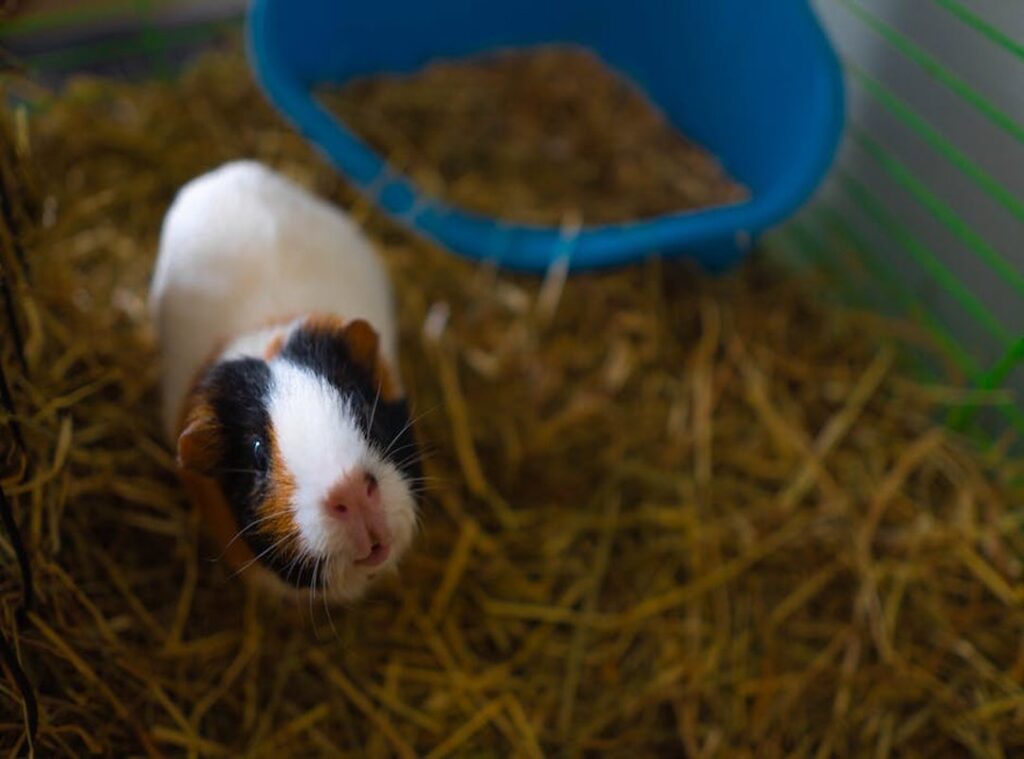
You just brought home a hamster.
And now you’re staring at aisle seven of the pet store like it’s a maze designed to confuse you.
Why does everything look the same but feel wrong? That tunnel is too wide. That wheel is too smooth.
That bedding smells like chemicals.
I’ve seen this happen hundreds of times.
New owners buying what’s shiny or cheap (not) what keeps their animal safe, calm, or even alive.
Small animals aren’t tiny dogs. They chew to survive. They burrow to sleep.
They overheat if the air doesn’t move right.
I’ve watched rabbits dig under cages in rescue homes. I’ve watched gerbils ignore “enrichment” toys that don’t let them gnaw or hide. I’ve watched vets treat wounds from plastic wheels and sawdust bedding (again.)
This isn’t about trends or packaging.
It’s about what actually works in real homes with real animals.
No fluff. No guesswork. Just vet-informed picks for cages, bedding, wheels, hides, and food bowls (tested) across five species.
You’ll learn how to spot danger in plain sight. How to read labels without getting lost in jargon. How to build a space that fits their needs.
Not yours.
That’s what Lwmfpets Indoor Pets means here.
Cage Essentials: Size, Safety, and Species-Specific Design
I used to buy “small animal” cages off the shelf. Then my dwarf hamster got a foot stuck in the wire spacing. That’s when I learned: wire spacing matters.
Most pet store cages are built for mice. Not dwarf hamsters. Their tiny legs slip through.
Syrian hamsters need at least 450 sq in. That’s like a sheet of printer paper laid flat (8.5 × 11 = 93.5 sq in → you’d need five of them).
Guinea pigs need 750 sq in (minimum.) One. Not two. Not “if they’re friendly.” Just one.
Rabbits chew. A lot. If your cage isn’t made with chew-resistant materials, it won’t last a week.
And yes, I’ve watched a rabbit turn a plastic base into confetti by Tuesday.
Three safety rules I don’t bend:
Solid-bottom flooring (no wire floors. Ever),
Rounded corners (no sharp edges to catch fur or paws),
Ventilation without drafts (cold air blowing directly on them causes respiratory issues).
Bin setups? Cheap and customizable. But airflow is weak unless you drill a lot.
Modular kits? Great for cleaning (but) some have flimsy latches. My rabbit opened one in under 90 seconds.
Aquarium conversions? Safe from escapes. But heavy, hard to clean, and low airflow unless modified.
You’ll find real-world comparisons, species-specific tips, and honest gear reviews over at Lwmfpets Indoor Pets.
Size isn’t about luxury. It’s about movement. Health.
Lifespan.
A cramped guinea pig develops bumblefoot. A bored hamster chews its own nails.
Don’t guess. Measure first.
Bedding & Substrate: What’s Actually Safe
I’ve watched too many pets get sick from what’s under them (not) what’s in their bowl.
Cedar shavings? Toxic. They release phenols that fry livers and irritate lungs.
Scented paper pulp? A respiratory trap. That “fresh” smell is chemical smoke.
Corn cob? Swells in the gut. Impaction isn’t theoretical.
It’s emergency surgery. Cat litter? Clumping clay sticks to paws, then gets licked off.
Not worth the risk.
Kiln-dried pine tops my list. Low dust. Absorbent.
Chew-safe if properly processed. Aspen comes second (no) phenols, decent absorbency, minimal dust. Paper pellets?
Third. But only unscented, unbleached ones. Some brands still use glue binders.
“Natural” doesn’t mean safe. Untreated hay looks wholesome. Until it’s dusty or moldy.
Then it’s a lung hazard. Processing matters more than origin.
Gerbils need 2. 3 inches. They dig. It’s how they breathe.
Rabbits need 1 inch max. Deeper bedding causes hock sores. Painful, preventable, and common.
Watch for sneezing. Red feet. Less eating.
These aren’t “just acting weird.” They’re begging you to change the bedding.
Lwmfpets Indoor Pets owners often skip this step. And pay for it later.
Change bedding weekly. Spot-clean daily. If your pet coughs once, question the substrate (not) their health.
Enrichment That Actually Works: Toys, Tunnels, and Chewables
I used to buy ten toys at once. Then I watched my dwarf hamster ignore eight of them.
Three or four items (rotated) every 3 (4) days (works) better. Every time.
Too many toys = mental static. Not stimulation.
Chewing matters most for rodents. Apple wood sticks. Willow balls.
Nothing painted. Nothing glued. Nothing synthetic.
Foraging? Hay cubes stuffed in PVC pipe puzzles. My gerbil spent 22 minutes digging one out last Tuesday.
Nesting means shredded paper or coconut fiber. Not cotton fluff (it wraps around toes and guts).
Movement needs solid-surface wheels. No wire rungs. And rabbits need multi-level platforms.
Not flat floors.
Safe woods: apple, willow, birch, hazel, maple, pear. That’s it. If it’s not on that list, don’t hang it in the cage.
Cardboard boxes with two or three holes? Gerbil heaven. Toilet paper rolls stuffed with timothy hay?
Bunny yoga.
Mesh tunnels? Toe traps. Plastic exercise balls?
Overheating risk. Rope toys? Fiber ingestion.
Just don’t.
I’ve pulled frayed rope from a guinea pig’s cheek. Not fun.
You want real enrichment. Not clutter.
That’s why I keep coming back to the Indoor pets lwmfpets guide when I’m double-checking material safety.
Apple wood sticks are non-negotiable in my setup.
Skip the glitter. Skip the glue. Skip the guesswork.
Water Bottles Lie to You

I’ve watched guinea pigs chew through three bottles in one week. They don’t need bottles. They need bowls.
Guinea pigs must drink from a shallow bowl. It’s how they align their jaws and wear down their ever-growing teeth. Skip the bowl, and you’re inviting dental overgrowth.
(Yes, that’s a real emergency.)
Hamsters? Different story. Bowls flood bedding.
Damp = mold = respiratory mess. So yes (bottle) for them. But only if it’s mounted right.
Height-adjusted. Not too high, not too low. Their neck shouldn’t kink like a garden hose.
Angled slightly downward. Or airlocks trap bubbles and cut off flow. And cleaned daily.
Biofilm builds fast. That slimy film isn’t gross. It’s dangerous.
Food dishes? Heavy ceramic or stainless steel. No plastic.
You can read more about this in Outdoor Pets.
It scratches. Bacteria hide. Wide and shallow.
Whisker stress is real. Squeeze a hamster’s face into a deep dish and watch them freeze.
Portion control? Use a scoop for pellets. Not your hand.
Not “a handful.”
Hay goes in an elevated rack. Never on the floor. Floor hay gets peed on.
Always.
Red flags: cracked bottles, chewed spouts, warped bowls, selective eating.
If your pet ignores half the food, the dish is probably hurting them.
That’s why I stick with Lwmfpets Indoor Pets. No fluff, just gear built for actual small-animal biology.
Temperature, Lighting, and Quiet: What Your Pet Actually Feels
I’ve watched too many small pets suffer because someone thought “indoor” meant “safe.”
It doesn’t.
Room temperature matters more than the fanciest cage accessory. Keep it between 65 (75°F.) Below 60°F? Your rabbit shivers.
Above 80°F? Your chinchilla can die in hours.
Humidity must stay under 60%. Mold grows. Respiratory issues flare.
And direct sunlight? That’s a death sentence (glass) traps heat like an oven.
Light cycles matter. But UVB lamps? Useless.
Your gerbil doesn’t need vitamin D from a bulb. Just open curtains by day. Close them at night.
Stick to 12 hours of each.
Noise wrecks chinchillas and gerbils. Bass hits. Slamming doors.
Three cheap fixes: draft blockers behind cages, thermal mats for older rabbits, cork or felt panels on nearby walls.
Washer spin cycles. Move cages away from laundry rooms and subwoofers.
“Indoor” means managing microclimate (not) ignoring it. If you’re comparing setups, this guide covers what outdoor conditions demand too. read more. Lwmfpets Indoor Pets need that same attention.
Your Small Animal Deserves Better Than Guesswork
I’ve seen too many cages that look right but aren’t. Too many substrates labeled “safe” that aren’t. Too many “enrichment” toys that just frustrate.
This isn’t about convenience. It’s about stopping chronic stress before it starts. It’s about avoiding vet bills you didn’t see coming.
You now know the four pillars:
right-sized housing
non-toxic substrate
species-aligned enrichment
stable temperature and humidity
That’s all. No fluff. No trends.
Just what keeps them alive and well.
Grab the safety checklists in sections 1. 5. Pick one element of your current setup. Right now.
And audit it tonight. Don’t wait until they’re scratching raw or hiding all day.
Lwmfpets Indoor Pets exists because most setups fail at one of these.
We fix that. Fast.
Your small friend doesn’t need more stuff (they) need the right stuff, chosen with intention.
 There is a specific skill involved in explaining something clearly — one that is completely separate from actually knowing the subject. Norah Porteranaz has both. They has spent years working with training techniques and guides in a hands-on capacity, and an equal amount of time figuring out how to translate that experience into writing that people with different backgrounds can actually absorb and use.
Norah tends to approach complex subjects — Training Techniques and Guides, Animal Behavior Insights, Pet Product Reviews being good examples — by starting with what the reader already knows, then building outward from there rather than dropping them in the deep end. It sounds like a small thing. In practice it makes a significant difference in whether someone finishes the article or abandons it halfway through. They is also good at knowing when to stop — a surprisingly underrated skill. Some writers bury useful information under so many caveats and qualifications that the point disappears. Norah knows where the point is and gets there without too many detours.
The practical effect of all this is that people who read Norah's work tend to come away actually capable of doing something with it. Not just vaguely informed — actually capable. For a writer working in training techniques and guides, that is probably the best possible outcome, and it's the standard Norah holds they's own work to.
There is a specific skill involved in explaining something clearly — one that is completely separate from actually knowing the subject. Norah Porteranaz has both. They has spent years working with training techniques and guides in a hands-on capacity, and an equal amount of time figuring out how to translate that experience into writing that people with different backgrounds can actually absorb and use.
Norah tends to approach complex subjects — Training Techniques and Guides, Animal Behavior Insights, Pet Product Reviews being good examples — by starting with what the reader already knows, then building outward from there rather than dropping them in the deep end. It sounds like a small thing. In practice it makes a significant difference in whether someone finishes the article or abandons it halfway through. They is also good at knowing when to stop — a surprisingly underrated skill. Some writers bury useful information under so many caveats and qualifications that the point disappears. Norah knows where the point is and gets there without too many detours.
The practical effect of all this is that people who read Norah's work tend to come away actually capable of doing something with it. Not just vaguely informed — actually capable. For a writer working in training techniques and guides, that is probably the best possible outcome, and it's the standard Norah holds they's own work to.