
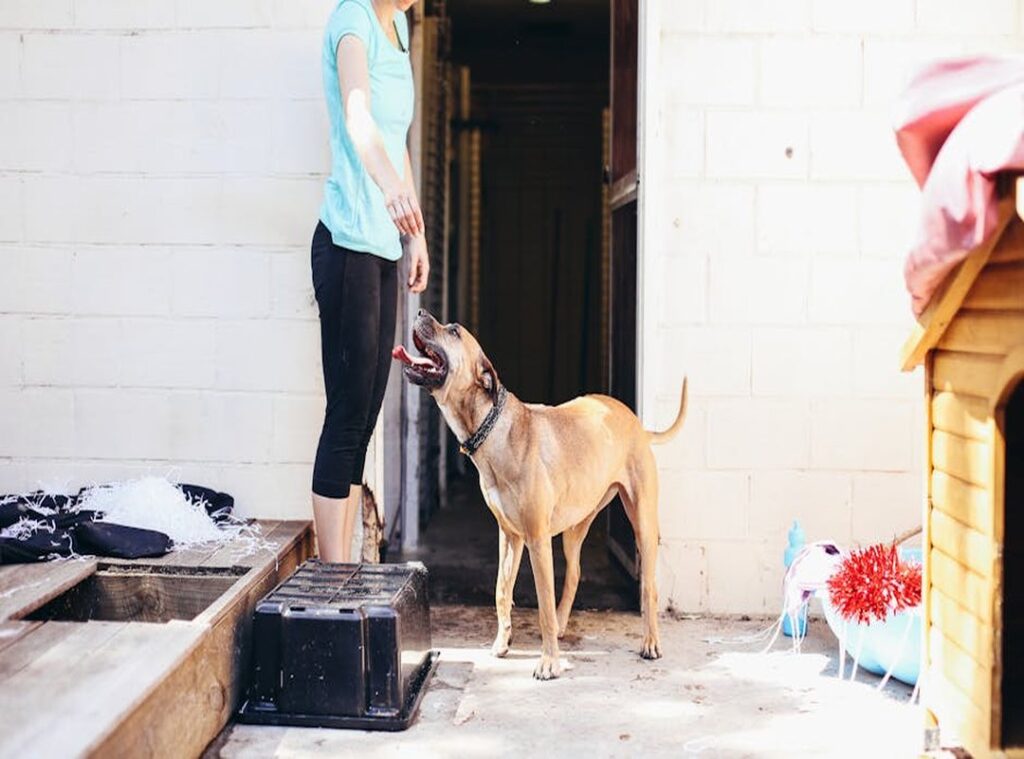
My couch is shredded. Your shoes are gone. That rug?
Not safe anymore.
You’re tired of yelling. Tired of cleaning up messes at 3 a.m. Tired of feeling like your pet doesn’t listen.
Or worse, doesn’t care.
This isn’t about control.
It’s about connection.
I’ve spent over a decade helping pets and people stop fighting and start understanding each other. No shock collars. No punishment.
Just real results.
Training Pets Lwmfpets works because it’s built on what actually changes behavior. Not what sounds good in a book.
You’ll get clear steps. Not theory. Not fluff.
Just tools you use today.
And yes (your) dog can stop barking at the mailman. Your cat can stop peeing outside the box. You can sleep through the night.
Let’s fix this.
How Your Pet Actually Learns (It’s Not Magic)
I used to think my dog understood me because he looked guilty after chewing my shoe. Turns out he just read my tone. And that’s the first thing you need to know.
Positive reinforcement means giving something good right after a behavior you like. So your pet does it again.
A treat for “sit”. A cheerful “yes!” when they come. A tug on the rope when they drop the sock instead of hiding it.
That’s it. No mystery. No dominance nonsense.
But here’s where people blow it: consistency. If you say “off” and your partner says “down”, your dog hears noise. If one person gives treats for jumping and another yells, your pet gets confused.
Not trained.
Everyone in the house must use the same word, same tone, same reward. Period.
Punishment doesn’t teach what to do. It teaches what not to do. And often, what not to trust.
I’ve seen dogs flinch at raised hands long after the yelling stopped. That’s not training. That’s damage.
You want reliability. You want joy. You want your pet to choose you (not) fear you.
That’s why I built this article around this stuff. No theory. Just what works.
And what breaks the bond.
Training Pets Lwmfpets starts with this foundation.
Everything else is just decoration.
Skip the confusion. Start here. Now.
Solving the Top 3 Behavioral Headaches
House Training Setbacks
I’ve cleaned up too many accidents to count. And no. Paper training doesn’t fix it.
You need rhythm, not hope.
Step one: potty schedule. Every two hours. After naps.
After meals. After play. No exceptions.
Step two: cue word. Go potty. Say it only when they’re squatting. Not before.
Not after. Only then.
Step three: supervision or confinement. If you can’t watch them, they go in the crate or a pen. Not the whole house.
That’s not freedom. That’s an accident waiting to happen.
Excessive Barking
Barking isn’t bad. It’s communication. But constant barking?
That’s a sign you missed something.
Is it boredom? Fear? Or just “someone’s at the gate” energy?
(Yes, even if it’s a leaf.)
For alert barking: let them bark once. Then say Thank you, Quiet (calm) voice, no yelling. And wait.
The second they stop, treat. Not five seconds later. The second.
If you reward the bark instead of the silence, you’re training them to bark more. I see this daily.
Leash Pulling
Pulling isn’t dominance. It’s momentum. And your dog hasn’t learned that walking with you feels better than dragging you.
Try the Stop-and-Go method. You stop. They stop.
You don’t move until the leash goes slack. Even if it takes two minutes.
Then walk ten steps. Stop again if it tightens. Repeat.
It feels tedious. It is. But within three walks, most dogs get it.
Because now pulling means nothing happens. And dogs hate nothing happening.
Training Pets Lwmfpets starts here (not) with fancy gear or gimmicks. With consistency you actually follow through on.
You think your dog won’t learn? I’ve seen shelter dogs with zero history master all three in under two weeks.
Or just not knowing which step to start with?
What’s stopping you? Time? Energy?
Start with the schedule. Today. Not Monday.
Not after vacation. Today.
You’ll feel stupid saying Go potty at first. So did I. (Turns out dogs don’t care about your dignity.)
Pro tip: Keep treats in your pocket before you head outside. Not after you remember halfway down the driveway.
Tools That Actually Work

I use a clicker. Not because it’s cute. Because it tells my dog exactly when she got it right.
It’s a marker. A sound that says “yes. That move, that second, that exact thing.” No guessing.
No delay. Just clarity.
I covered this topic over in this resource.
You can use a word instead. But the click is faster. Cleaner.
Less emotional noise.
Front-clip harnesses? Yes. For dogs who pull.
They redirect movement without choking. Standard collars work fine. if your dog walks politely. Don’t force one on a puller just because it looks traditional.
Retractable leashes? Skip them. They teach pulling.
They’re dangerous near bikes or other dogs. And they make loose-leash training nearly impossible.
Enrichment toys fix boredom before it becomes destruction.
Puzzle feeders. Snuffle mats. Even a towel with treats hidden underneath.
These aren’t “toys.” They’re mental work. Real work.
I’ve watched dogs go from chewing baseboards to ignoring them (just) by adding 10 minutes of snuffling before breakfast.
I covered this topic over in Pet tips and tricks lwmfpets.
Start with short, fun training sessions (5. 10 minutes) to keep your pet engaged and eager to learn.
Boredom isn’t laziness. It’s unmet need. Fix that first.
If you’re working with outdoor dogs, this guide covers setup, safety, and pacing (read) more.
Training Pets Lwmfpets isn’t about perfection. It’s about consistency. And using tools that match what your dog actually needs.
Not what looks good on Instagram.
When to Call in Reinforcements
I’ve seen too many people wait until the dog bites a kid. Or chews through three pairs of shoes. Or growls every time someone walks past their food bowl.
That’s not “just puppy behavior.” It’s a signal.
Resource guarding. Separation anxiety that ends with shredded couch cushions. Growling, snapping, biting.
Even once.
These aren’t phases. They’re red flags.
You don’t need to fix it alone. In fact, trying to do so often makes things worse (especially if you’re Googling “how to dominate your dog” (stop).)
A certified professional using only positive reinforcement can spot triggers you miss. They’ll give you real tools (not) just commands.
Asking for help isn’t failure. It’s how you keep everyone safe.
If you’re unsure where to start, this guide covers what to look for and how to vet a trainer: learn more
Training Pets Lwmfpets isn’t about perfection. It’s about showing up. And knowing when to hand the leash to someone who knows more.
Your Pet’s Calm Starts Now
I’ve been there. The leash yanking. The barking at 6 a.m.
The guilt when you snap back.
You’re not failing. Your pet isn’t broken. You just needed real tools.
Not vague advice or punishment tricks.
This is where Training Pets Lwmfpets changes things.
You now know why your dog pulls. Why your cat scratches the couch. And exactly what to do instead.
No more guessing. No more frustration spirals.
Pick one behavior from this guide. Just one.
Commit to 10 minutes a day. For seven days.
That’s it. Not forever. Not perfectly.
Just start.
You’ll see change before the week ends.
Most people wait for motivation. You don’t need it. You need action.
So go ahead (choose) that one thing right now.
Then do it.
 There is a specific skill involved in explaining something clearly — one that is completely separate from actually knowing the subject. Norah Porteranaz has both. They has spent years working with training techniques and guides in a hands-on capacity, and an equal amount of time figuring out how to translate that experience into writing that people with different backgrounds can actually absorb and use.
Norah tends to approach complex subjects — Training Techniques and Guides, Animal Behavior Insights, Pet Product Reviews being good examples — by starting with what the reader already knows, then building outward from there rather than dropping them in the deep end. It sounds like a small thing. In practice it makes a significant difference in whether someone finishes the article or abandons it halfway through. They is also good at knowing when to stop — a surprisingly underrated skill. Some writers bury useful information under so many caveats and qualifications that the point disappears. Norah knows where the point is and gets there without too many detours.
The practical effect of all this is that people who read Norah's work tend to come away actually capable of doing something with it. Not just vaguely informed — actually capable. For a writer working in training techniques and guides, that is probably the best possible outcome, and it's the standard Norah holds they's own work to.
There is a specific skill involved in explaining something clearly — one that is completely separate from actually knowing the subject. Norah Porteranaz has both. They has spent years working with training techniques and guides in a hands-on capacity, and an equal amount of time figuring out how to translate that experience into writing that people with different backgrounds can actually absorb and use.
Norah tends to approach complex subjects — Training Techniques and Guides, Animal Behavior Insights, Pet Product Reviews being good examples — by starting with what the reader already knows, then building outward from there rather than dropping them in the deep end. It sounds like a small thing. In practice it makes a significant difference in whether someone finishes the article or abandons it halfway through. They is also good at knowing when to stop — a surprisingly underrated skill. Some writers bury useful information under so many caveats and qualifications that the point disappears. Norah knows where the point is and gets there without too many detours.
The practical effect of all this is that people who read Norah's work tend to come away actually capable of doing something with it. Not just vaguely informed — actually capable. For a writer working in training techniques and guides, that is probably the best possible outcome, and it's the standard Norah holds they's own work to.