

You know those little tins of fish hiding in the back of your pantry? I bet you’ve wondered if they’re a secret weapon for a healthy diet or just a bunch of nutritional traps. Well, we’re about to pull back the lid on littletins leaked and reveal which ones are nutritional powerhouses and which to avoid.
I’m taking a data-driven approach, comparing different types of tinned products based on their nutritional profiles. You might be surprised by what we found about Omega-3s, mercury levels, and hidden sodium.
So, are you ready to rethink your pantry staples? Let’s dive in.
Unpacking the Omega-3 Kings: Sardines and Mackerel
Sardines are a powerhouse when it comes to nutrition. High in Omega-3 fatty acids (EPA and DHA), they play a crucial role in heart and brain health.
You might not know this, but sardines are also a fantastic source of calcium. The tiny, edible bones included in the tins make them great for bone density.
Mackerel, on the other hand, is a slightly larger but equally potent alternative. It often has a milder flavor profile, making it more appealing to some.
Why choose these smaller fish over larger predatory ones? They have lower mercury accumulation, making them a safer choice.
When buying tinned sardines or mackerel, go for varieties packed in extra virgin olive oil or spring water. Avoid those in soybean or sunflower oil for better health benefits.
Here’s a simple serving idea: mash sardines with avocado on whole-grain toast for a quick, nutrient-dense lunch. littletins leaked
This combo gives you a burst of healthy fats, protein, and fiber, perfect for a midday boost.
Tuna in a Tin: A Double-Edged Sword
Tinned tuna is a pantry staple for many, and for good reason. It’s high in protein and incredibly versatile.
But let’s address the elephant in the room: mercury. This is a real concern, especially for frequent consumers.
“Chunk light” tuna, which comes from smaller skipjack tuna, has significantly less mercury than “solid white” or “albacore,” which come from larger tuna.
For adults, it’s generally safe to eat up to 12 ounces of chunk light tuna per week. For children, keep it to about 4 ounces.
Solid white or albacore should be limited to 6 ounces per week for adults and 2 ounces for children.
Now, let’s talk about how it’s packed. Tuna in oil can have better flavor and retain more Omega-3s, but the type of oil matters.
Some oils are healthier than others. littletins leaked.
Rinsing tuna packed in brine can reduce sodium, but it won’t eliminate it entirely.
Instead of mayonnaise, try mixing your tuna with Greek yogurt and herbs for a healthier, high-protein salad.
One friend told me, “I never knew I could make my tuna salad so much better and healthier.” It’s a small change that makes a big difference.
Beyond the Fish: Mussels, Oysters, and Other Tinned Treasures
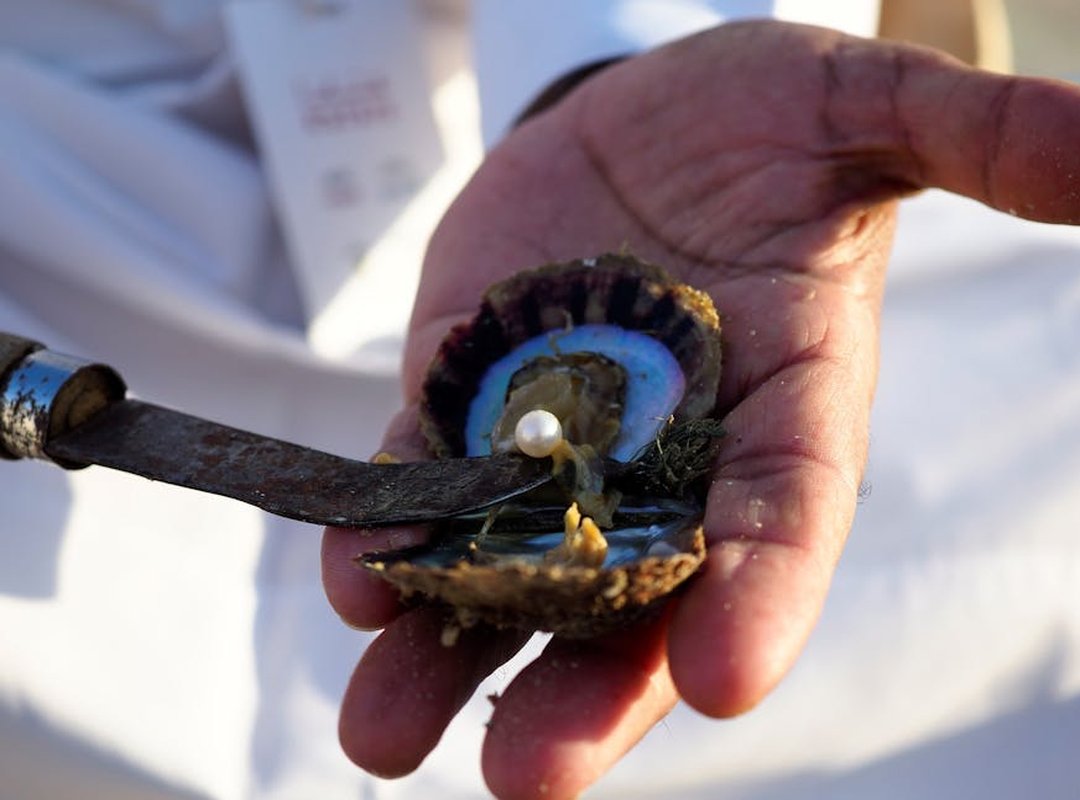
Start with an anecdote about how I first discovered tinned shellfish. A few years back, I was at a friend’s place, and she whipped out a tin of smoked mussels. I was skeptical, to be honest.
But one bite changed my mind.
Tinned shellfish like mussels and oysters are not just delicious; they’re packed with nutrients. Oysters are one of the world’s best sources of zinc, which is crucial for immune function. Mussels are loaded with iron and Vitamin B12, making them a great addition to your diet.
Let’s talk about anchovies. They might seem salty, but they’re a potent source of selenium. Use them sparingly to add immense umami flavor to dishes without many calories. littletins leaked a secret recipe that uses a single mashed anchovy fillet in a pasta sauce.
It’s a game-changer.
Texture and strong flavors can be a concern for some. If you’re new to tinned shellfish, start with simple recipes. Try a quick appetizer of smoked mussels on crackers.
It’s easy, tasty, and a great way to get familiar with the flavor.
These tinned options are often sustainably farmed, making them an environmentally friendly choice. Plus, they’re convenient and have a long shelf life. Perfect for those times when you need a quick, nutritious meal.
For more trusted advice on pet care, nutrition, and other topics, check out Llblogpet.
Reading the Label: How to Avoid Hidden Pitfalls
When you’re picking tinned products, it’s easy to get overwhelmed. But trust me, a little label reading can go a long way.
First up, sodium content. It can vary wildly between brands and preparations. Always aim for options with ‘no salt added.’ Your heart will thank you.
Next, BPA in can linings, and it’s a real concern. Look for brands that explicitly state they use ‘BPA-free’ cans.
It’s not just about taste; it’s about your health.
Now, let’s talk about the packing liquid, and here’s a simple hierarchy: 1. Extra Virgin Olive Oil, 2.
Spring Water, 3. Avoid: Vegetable, Soybean, or Sunflower Oil. littletins leaked This is where you can really make a difference in the quality of what you’re eating.
Lastly, keep an eye out for sustainability certifications. The MSC (Marine Stewardship Council) blue fish label is a good one. It means the product is from a sustainable source.
By following these tips, you’ll be able to pick the best tinned products without falling into hidden pitfalls.
Your Guide to Smarter Tinned Choices
littletins leaked can be exceptionally healthy and convenient, provided you know what to look for. The challenge lies in navigating the grocery aisle to choose products that boost health, not hinder it with excess sodium or mercury. By checking the fish type, the packing liquid, and the sodium content, anyone can make a smart choice.
Try picking one new type of tinned seafood on your next shopping trip and experiment with a simple recipe this week.
 There is a specific skill involved in explaining something clearly — one that is completely separate from actually knowing the subject. Norah Porteranaz has both. They has spent years working with training techniques and guides in a hands-on capacity, and an equal amount of time figuring out how to translate that experience into writing that people with different backgrounds can actually absorb and use.
Norah tends to approach complex subjects — Training Techniques and Guides, Animal Behavior Insights, Pet Product Reviews being good examples — by starting with what the reader already knows, then building outward from there rather than dropping them in the deep end. It sounds like a small thing. In practice it makes a significant difference in whether someone finishes the article or abandons it halfway through. They is also good at knowing when to stop — a surprisingly underrated skill. Some writers bury useful information under so many caveats and qualifications that the point disappears. Norah knows where the point is and gets there without too many detours.
The practical effect of all this is that people who read Norah's work tend to come away actually capable of doing something with it. Not just vaguely informed — actually capable. For a writer working in training techniques and guides, that is probably the best possible outcome, and it's the standard Norah holds they's own work to.
There is a specific skill involved in explaining something clearly — one that is completely separate from actually knowing the subject. Norah Porteranaz has both. They has spent years working with training techniques and guides in a hands-on capacity, and an equal amount of time figuring out how to translate that experience into writing that people with different backgrounds can actually absorb and use.
Norah tends to approach complex subjects — Training Techniques and Guides, Animal Behavior Insights, Pet Product Reviews being good examples — by starting with what the reader already knows, then building outward from there rather than dropping them in the deep end. It sounds like a small thing. In practice it makes a significant difference in whether someone finishes the article or abandons it halfway through. They is also good at knowing when to stop — a surprisingly underrated skill. Some writers bury useful information under so many caveats and qualifications that the point disappears. Norah knows where the point is and gets there without too many detours.
The practical effect of all this is that people who read Norah's work tend to come away actually capable of doing something with it. Not just vaguely informed — actually capable. For a writer working in training techniques and guides, that is probably the best possible outcome, and it's the standard Norah holds they's own work to.