
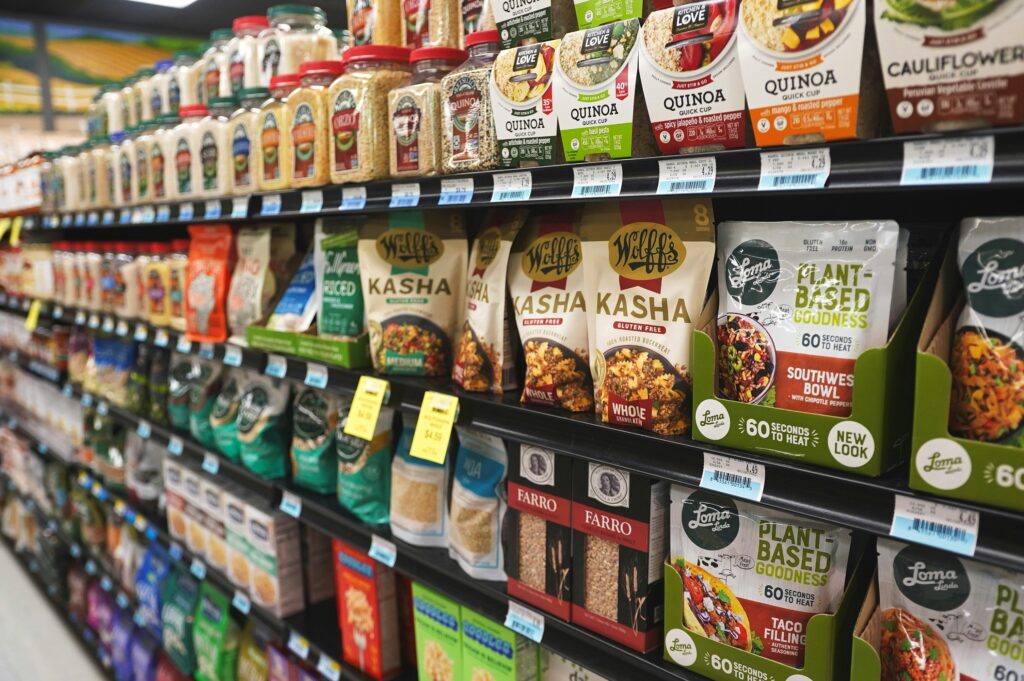
Why Pet Food Labels Matter in 2026
Pet wellness has become non negotiable. People aren’t just pet owners anymore they’re caretakers, advocates, and, frankly, obsessed. It’s not just about feeding a dog or cat it’s about helping them live longer, healthier lives. That shift shows up clearly in what consumers now demand from pet food: clarity, quality, and accountability.
Label scanning is no longer something only hobbyists do. Pet parents want straight answers. Where’s the beef from? What does “natural flavor” really mean? They’re not buying the old marketing fluff and brands know it. This pressure from aware consumers has led to a wave of reform in packaging, advertising, and most importantly, regulation.
Over the past few years, pet food regulation has evolved to keep up. Ingredient definitions are tighter. Claims like “human grade” or “organic” are no longer gray areas for marketers to exploit they come with specific criteria and increasing enforcement. Standards driven by AAFCO (Association of American Feed Control Officials) and transparency reports from major brands are pushing the industry to clean up and be more honest.
In short: the age of vague labels and unchecked claims is fading. That’s good news for pets, and essential for the people who care about feeding them right.
Breaking Down the Ingredients List
Understanding what’s really in your pet’s food starts with learning how to read and question the ingredient list. Here’s how to make sense of the most common terms and what to look for when examining a pet food label.
Common Terms, Decoded
Before you dive into the full list, get familiar with a few words that show up frequently but can be misleading:
Meal: This refers to ground down meat or poultry that’s been rendered (cooked at high temperatures). “Chicken meal” may actually be more nutrient dense than fresh chicken, as it’s concentrated protein but quality varies.
By product: These include parts of the animal not typically consumed by humans (like organs or bones). Not necessarily bad, but source quality matters significantly.
Natural flavor: Vague and unregulated. It often indicates a flavor additive derived from animal or plant sources, but little beyond that.
Why the First Five Ingredients Matter Most
Ingredients are listed by weight so the top five make up the bulk of the food. Pay close attention:
Look for real, named protein sources at the top (e.g., “turkey,” not just “meat”).
Whole grains or vegetables should support not replace quality proteins.
If multiple fillers or sugars appear early, it’s best to reconsider.
Human Grade vs. Feed Grade
Not all pet food is created equal, and the terms used can be confusing:
Human grade: Meets manufacturing and ingredient standards for human consumption. Often produced in FDA approved facilities.
Feed grade: Legal for sale as pet food but doesn’t meet human safety and quality standards.
Most commercial pet food is feed grade, but some reputable brands are shifting toward higher standards.
Additives, Preservatives, and Filler Flags
Some ingredients aren’t harmful, but they indicate lower quality or heavy processing:
Common additives: Includes vitamins and minerals but also artificial color and texture agents.
Preservatives: Natural ones like Vitamin E (mixed tocopherols) are preferred. Avoid chemical sounding names like BHA, BHT, or ethoxyquin.
Fillers: Ingredients like corn gluten meal, soybean hulls, or cellulose may boost volume but offer minimal nutrition.
When in doubt, less is more. A shorter ingredient list with recognizable names generally signals higher nutrient density and fewer unnecessary extras.
Nutritional Claims and What They Actually Mean
“Complete and balanced“ sounds great on the bag but it’s not just marketing fluff. To make this claim, pet food must meet the nutritional levels set by the Association of American Feed Control Officials (AAFCO). That means it has to pass a nutrient profile or a feeding trial for the life stage it’s intended for (puppy, adult, senior, etc.). This isn’t a gold star for ingredient quality, but it does mean the basics vitamins, minerals, protein are where they should be to sustain a healthy pet.
Labels like “organic,” “natural,” and “grain free” muddle things. “Organic” means the food follows USDA organic standards, but only if it’s certified. “Natural” sounds comforting, but legally, it just means no synthetic additives nothing about the actual sourcing or quality of ingredients. “Grain free”? That’s not superior by default. It just shifts the carbs to legumes, potatoes, or other fillers, which has its own set of tradeoffs depending on your pet’s needs.
As of 2026, being “AAFCO approved” still doesn’t imply top quality or safety. It means the product meets basic nutritional requirements. Think of it like passing the driving test not winning the race.
Watch out for vague claims like “wholesome,” “premium,” or “farm raised.” These terms aren’t regulated and often signal more about branding than what’s in the bowl. If it sounds good but says nothing specific, take it with a grain of salt and check the fine print.
Bottom line: flashy claims aren’t always backed by substance. Read closely. Ask questions. Your pet’s health depends on more than marketing copy.
Gimmicks vs. Genuine: How to Spot Real Value

Some labels scream luxury. Others whisper health conscious. But flashy words aren’t proof. In 2026, pet food packaging still leans hard on meaningless buzzwords to stand out in the aisle. If it says “premium,” “natural,” or “holistic,” ask what that actually means on the ingredients panel. Spoiler: often, not much.
Branding plays into this. Bright colors, leaf graphics, and fanciful names push the idea of quality while what’s inside might be the same as the bargain brand a shelf away. This doesn’t mean all marketing is misleading, but it does mean labels deserve a second, slower read. Don’t let the bag do the thinking.
The smartest move? Pick a few competing labels and lay them side by side. Compare the first five ingredients. See how specific they get about protein sources. Check for real data like feeding trials or named animal proteins and ignore the fluff. Transparency tends to look boring on packaging, but it punches above its weight when it comes to your pet’s health.
Label Reading Tips for Different Pet Needs
Tailoring Labels to Life Stages
Different pets require different nutritional support based on their life stage. Here’s what to focus on when reading labels for specific age groups:
Puppies
Look for formulas labeled for “growth” or “all life stages” (includes puppy needs)
Ensure appropriate levels of protein and fat to support development
DHA from fish oil promotes cognitive development
Senior Pets
Seek out lower calorie content to help prevent weight gain
Joint supporting ingredients such as glucosamine and chondroitin are key
Antioxidants like vitamin E can help support aging immune systems
Active Breeds
Prioritize higher protein and fat to fuel energy needs
Added electrolytes and amino acids can aid in recovery
Avoid low calorie or low protein formulas unless specifically recommended by a vet
Special Diet Spotlights
Many pets have unique dietary needs due to allergies, sensitivities, or health conditions. Knowing how to identify supportive ingredients (and avoid irritants) is essential.
Food Allergies and Sensitivities
Look for limited ingredient diets to reduce exposure
Novel proteins like duck or venison can be gentler on digestion
Avoid vague labels like “meat” or “poultry” which could indicate mixed proteins
Weight Control
Choose foods labeled “weight management” or “light” with clear calorie content per cup
Fiber rich ingredients such as beet pulp can promote fullness
Watch fat percentage and avoid treats that cancel out progress
Digestive Support
Probiotics, prebiotics, and easily digestible carbohydrates (like rice or oats) are helpful markers
Avoid artificial colors, flavors, and preservatives known to upset digestion
Related resource: Dental Health for Pets: Tips for a Stronger Smile
Questions to Ask Before Choosing a Brand
Today’s pet food industry is flooded with choices, but not all brands are created equal. Behind the label, key questions can separate high quality nutrition from clever marketing. If you want to make informed choices for your pet, dig deeper into these three areas:
Who Formulates the Food?
One of the most important questions to ask is: Who’s actually behind the recipe?
Look for brands that work with licensed veterinary nutritionists, not just general veterinarians or influencers.
Avoid companies that rely solely on a marketing team or make vague claims about “expert involvement.”
Transparency is a good sign trustworthy brands often list the names and credentials of their formulation experts.
Where Is It Made, and How Are Ingredients Sourced?
Knowing where your pet’s food is produced and where ingredients come from can tell you a lot about safety and quality.
Check for country of origin on both the packaging and the brand’s website.
Look for facilities in countries with strong food safety regulations.
Brands that source ingredients responsibly often provide traceability info or sourcing maps.
How Often Are Formulas Updated for New Science?
Pet nutrition isn’t static and solid pet food brands stay current.
Reputable manufacturers update their formulas to reflect the latest research in pet health.
Look for brands that are responsive to recalls, transparent about changes, and open about how often they review formulations.
Brands committed to science are usually engaged in ongoing research or collaborate with universities and veterinary institutions.
Taking the time to find honest answers to these questions can help you choose a pet food that supports your animal’s health today and as they grow.
Staying Informed as a Pet Parent
Pet food labels aren’t static they change as regulations, research, and consumer expectations evolve. If you’re serious about feeding your pet well, staying informed isn’t optional.
Start by bookmarking the AAFCO (Association of American Feed Control Officials) website. That’s ground zero for label standards and definitions. They don’t regulate, but they do set the playbook most regulators follow. Second, check in on your state’s Department of Agriculture site. Rules can vary slightly by region, and local updates tend to show up there first.
For ongoing nutrition news, skip the influencer hype and look to science backed sources. Pet food brands that publish whitepapers or disclose vet affiliations are worth your time. Professional groups like the American College of Veterinary Nutrition (ACVN) and publications like the Pet Food Industry blog offer clear, practical info without marketing fluff.
Lastly and this matters your veterinarian is your frontline expert. Not your pet store cashier, not a Reddit thread. Ask your vet to walk through labels with you. They know your pet’s unique health needs and won’t be swayed by shiny packaging or buzzwords.
Read critically. Stay updated. And when in doubt, go back to the person who knows your pet best.
 There is a specific skill involved in explaining something clearly — one that is completely separate from actually knowing the subject. Normando Pendergrassion has both. They has spent years working with training techniques and guides in a hands-on capacity, and an equal amount of time figuring out how to translate that experience into writing that people with different backgrounds can actually absorb and use.
Normando tends to approach complex subjects — Training Techniques and Guides, Adoption and Rescue Resources, Pet Product Reviews being good examples — by starting with what the reader already knows, then building outward from there rather than dropping them in the deep end. It sounds like a small thing. In practice it makes a significant difference in whether someone finishes the article or abandons it halfway through. They is also good at knowing when to stop — a surprisingly underrated skill. Some writers bury useful information under so many caveats and qualifications that the point disappears. Normando knows where the point is and gets there without too many detours.
The practical effect of all this is that people who read Normando's work tend to come away actually capable of doing something with it. Not just vaguely informed — actually capable. For a writer working in training techniques and guides, that is probably the best possible outcome, and it's the standard Normando holds they's own work to.
There is a specific skill involved in explaining something clearly — one that is completely separate from actually knowing the subject. Normando Pendergrassion has both. They has spent years working with training techniques and guides in a hands-on capacity, and an equal amount of time figuring out how to translate that experience into writing that people with different backgrounds can actually absorb and use.
Normando tends to approach complex subjects — Training Techniques and Guides, Adoption and Rescue Resources, Pet Product Reviews being good examples — by starting with what the reader already knows, then building outward from there rather than dropping them in the deep end. It sounds like a small thing. In practice it makes a significant difference in whether someone finishes the article or abandons it halfway through. They is also good at knowing when to stop — a surprisingly underrated skill. Some writers bury useful information under so many caveats and qualifications that the point disappears. Normando knows where the point is and gets there without too many detours.
The practical effect of all this is that people who read Normando's work tend to come away actually capable of doing something with it. Not just vaguely informed — actually capable. For a writer working in training techniques and guides, that is probably the best possible outcome, and it's the standard Normando holds they's own work to.